No. 81 - A Playground of One's Own : Calculating Empires : Susuwatari
playground-as-a-residence
My name is Linda. I write a bi-weekly newsletter about computer science, childhood, and culture.
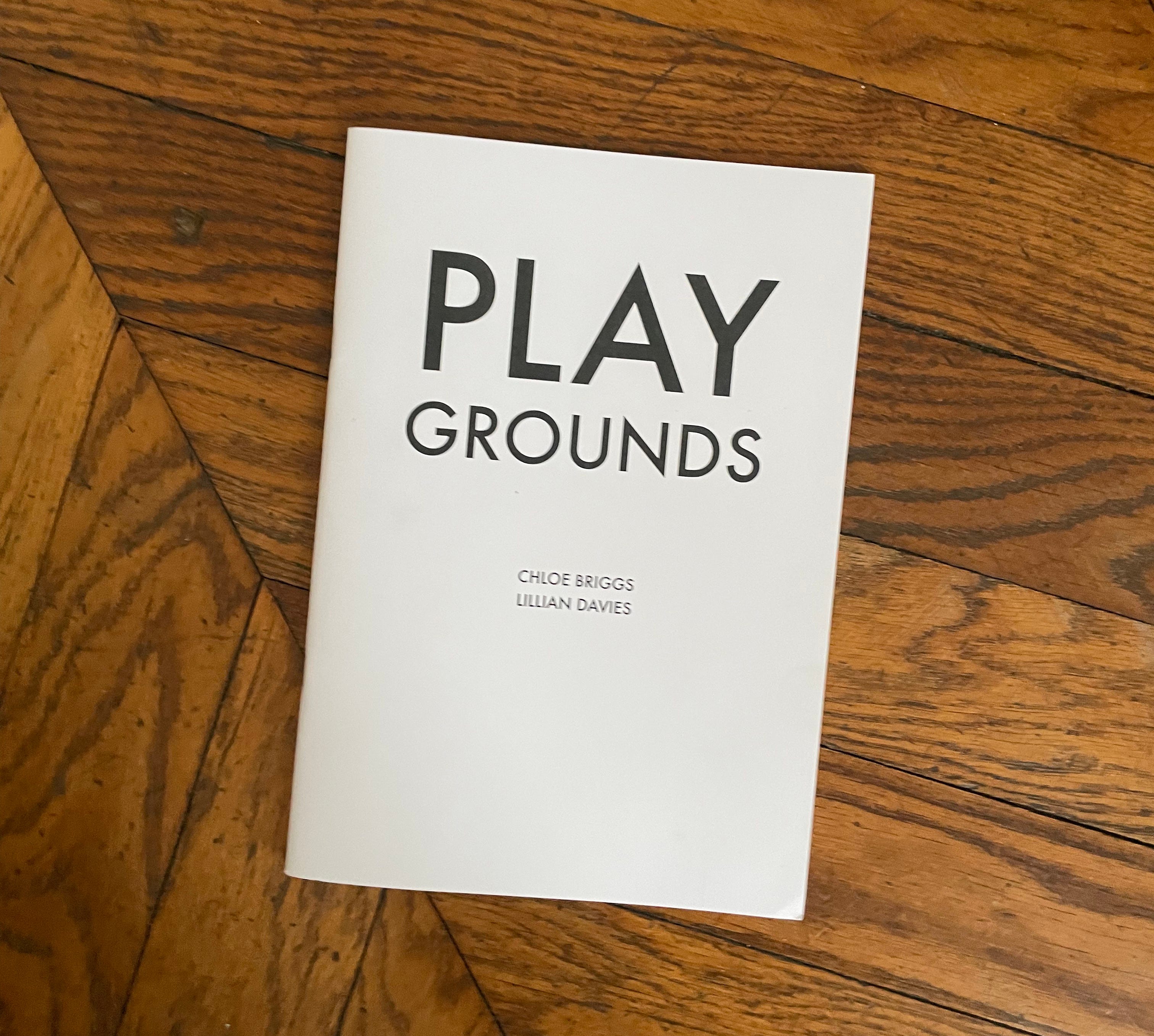
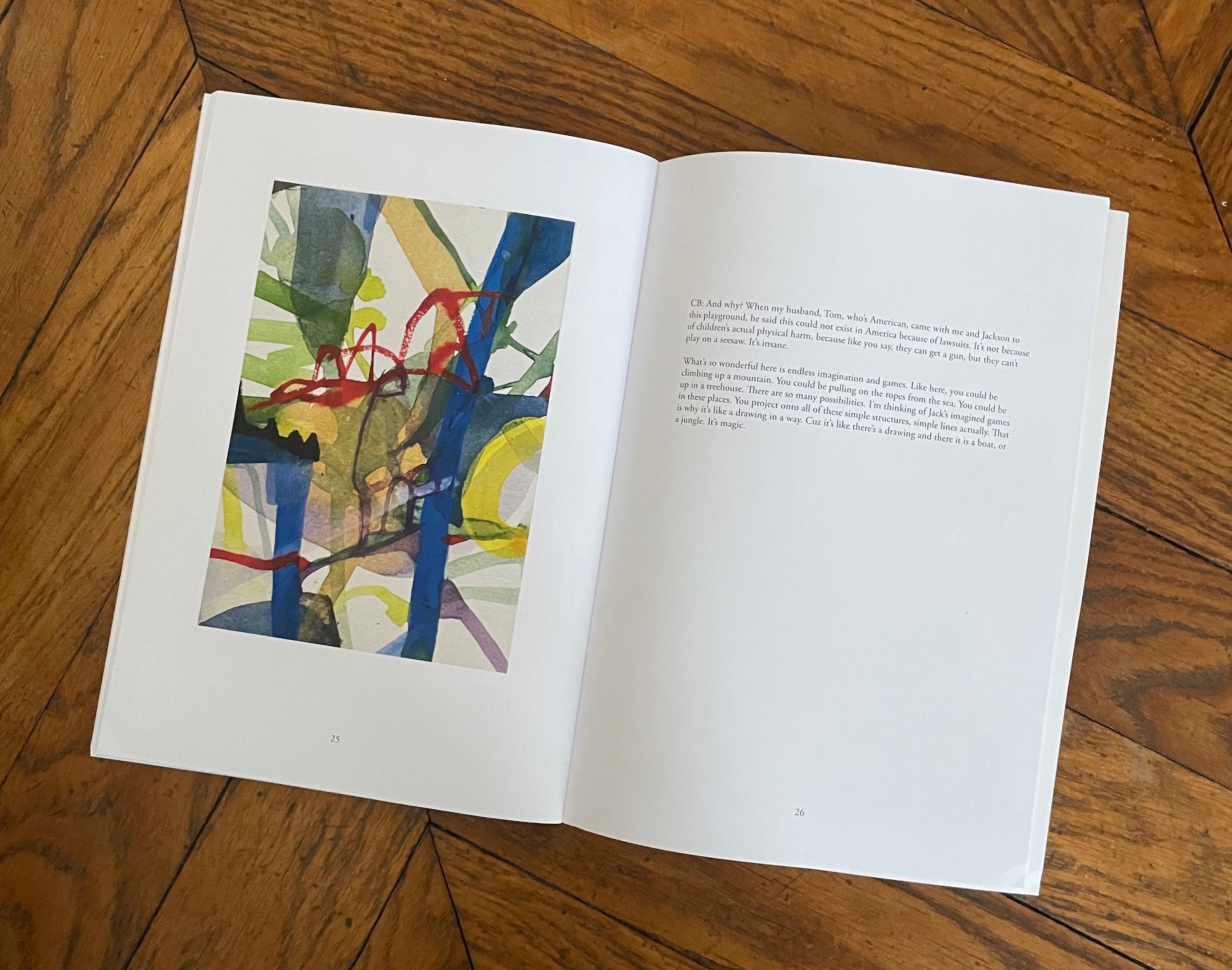
In Playgrounds, writer Lillian Davies and artist Chloe Briggs, both raising kids in Paris, have a conversation—or, at least, they try to. Interrupted by shrieks and cries, the dialogue runs on the right side of the book, paired with the bold, abstract playground paintings on the left. Davies and Briggs talk about art, motherhood, and public spaces, all recorded on-site in the Parc de Belleville.
Last spring, I attended a workshop at the American Library of Paris on the book and its accompanying workbook. The workbook's playful lines and words encourage us to explore ideas around various play spaces—think Hervé Tullet meets urban planning.
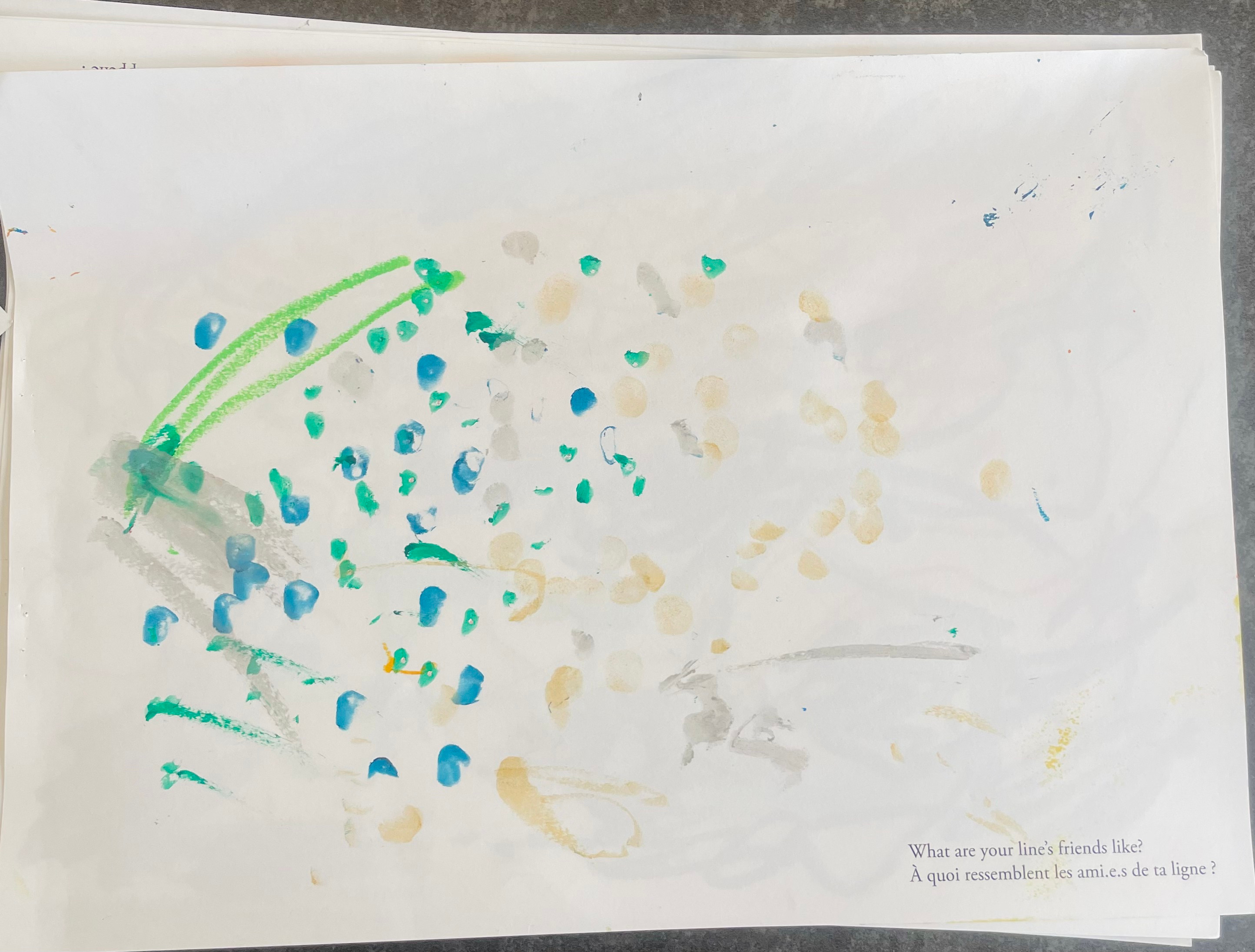
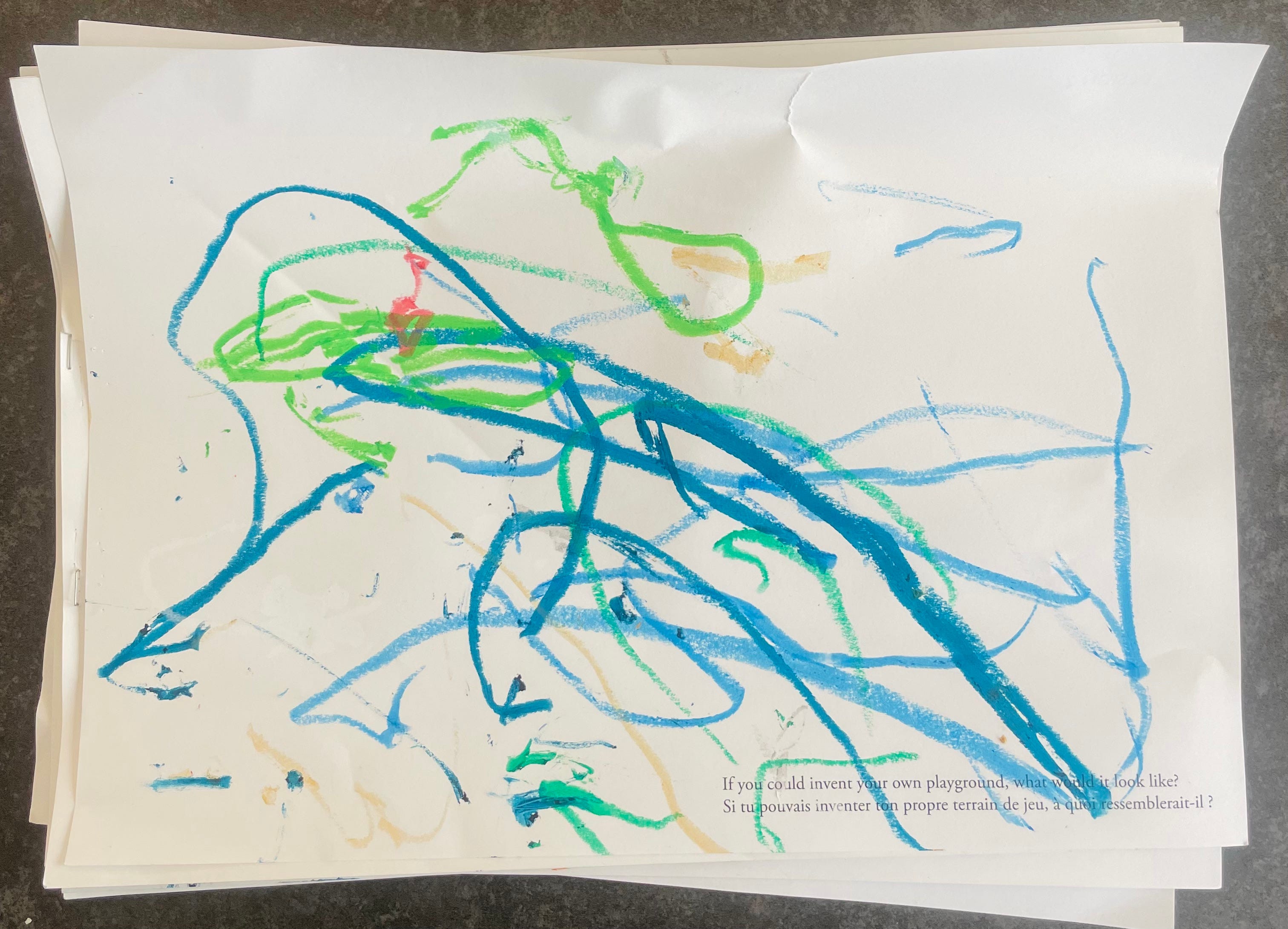
We've continued working at home through the prompts with my two-year-old, who has a very Parisian color palette—greens, silvers, and golds/sand. I suspect he is redrawing the green garbage truck over and over again. My favorite tools for him right now are these tempera paint sticks. It's been a lovely activity.
One of the themes Briggs & Davies discuss is working as an artist by a playground, turning the public space into a room of one's own. This playground-as-a-residence interests me so much. I’ve read a lot about running and working - Alan Turing invented the computer in the middle of a run. Musicians compose. Writers write. But working on a playground?
Sure, there is friction, like sand in my shoes and tiny interruptions every few minutes. Ten minutes to think is a luxury; most often, it's about solving fights, helping toddlers climb ladders, and praising puddle jumps. But somewhere in between, there is time to work.
And I do. I think about problems much longer than in my twenties, mulling over them for many days and visits. I sit for monotonous hours by the sandbox and revise sentences in my head, engaging in full-bodied thinking, a process, an activity. It’s the opposite of the way I used to work, static by a computer, in my own studio, with zero interruptions. As a result, I think the work produced will also be new.
Of course, the time at the playground has an ending, as Briggs and Davies note. There will be a day when I no longer sit here, as remote as it seems.
You can purchase the book here.
Some other suggestions for a bibliography of playgrounds:
DESIGN OF CHILDHOOD by Alexandra Lange
THE GREAT EXPEDITION by Peter Carnavas
URBAN PLAYGROUND: HOW CHILD-FRIENDLY PLANNING AND DESIGN CAN SAVE CITIES by Tim Gill
LONDON’S BEST PLAYGROUNDS by Emmy Watts
Linked List
In computer science, a linked list is a linear collection of data elements whose order is not given by their physical placement in memory. But here it is a selection of things I’ve been reading lately.
A simple, printable calendar. Discovered through resources (long live resources pages of Internet site!) of PrePostPrint, a collective that looks like kin.
A Guide to Miyazaki’s Weird Little Guys. Susuwatari made a big impression on my toddler.
Calculating Empires is so good I could spend a week just studying it. I am very excited that the exhibition is coming to Paris, too, in Jeu de Paume, in April 2025. Jeu de Paume is next to the more famous museums, Louvre, Orsay, and Orangerie, but/and seems often overlooked.
Classroom
I’m hoping to surface and share stories from all of you and I’d love to see your creations! Here are a few teachers using Ruby in creative, fun and inspiring ways.
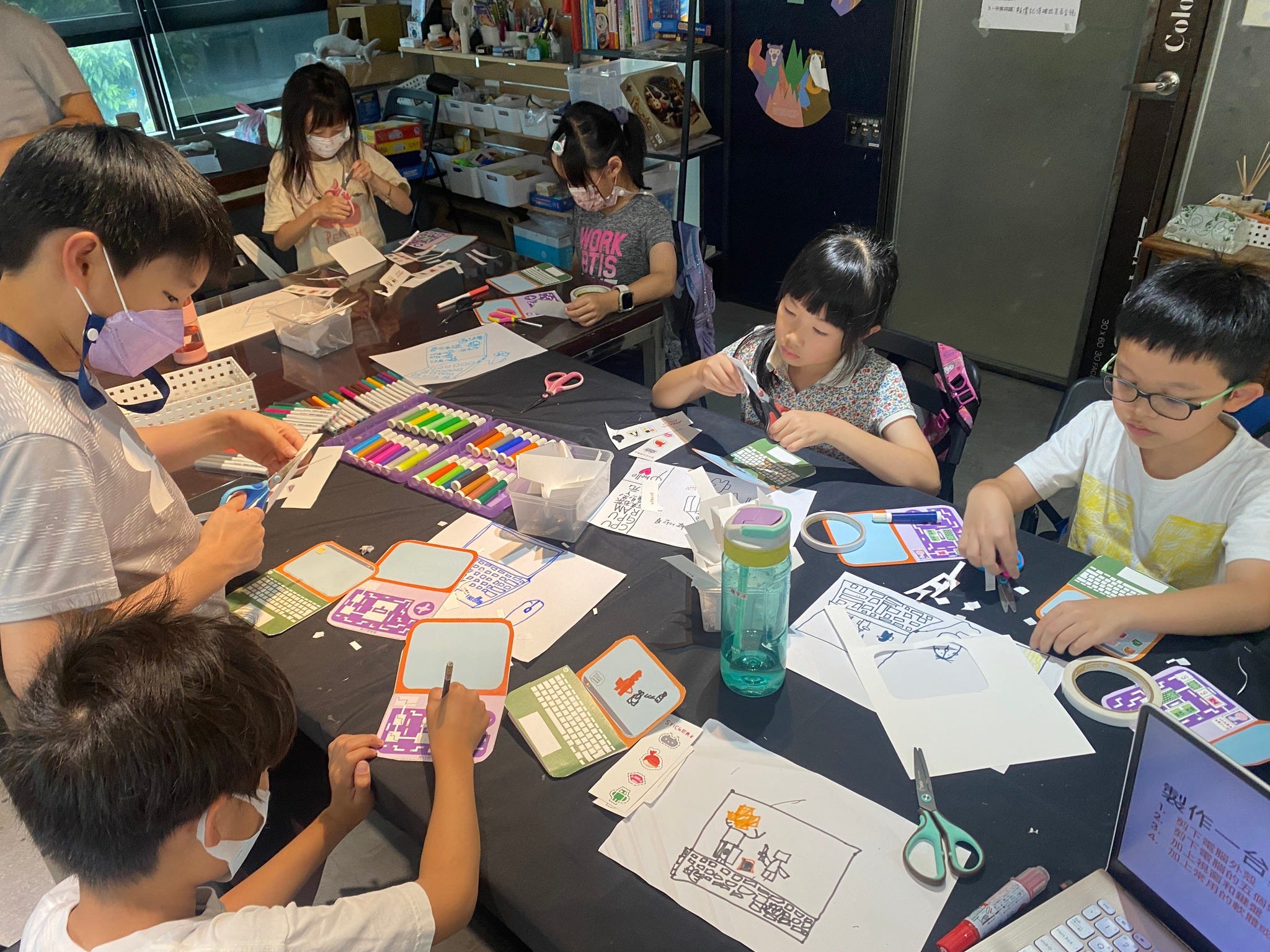
STEAMLab Taiwan is running their annual summer camp!
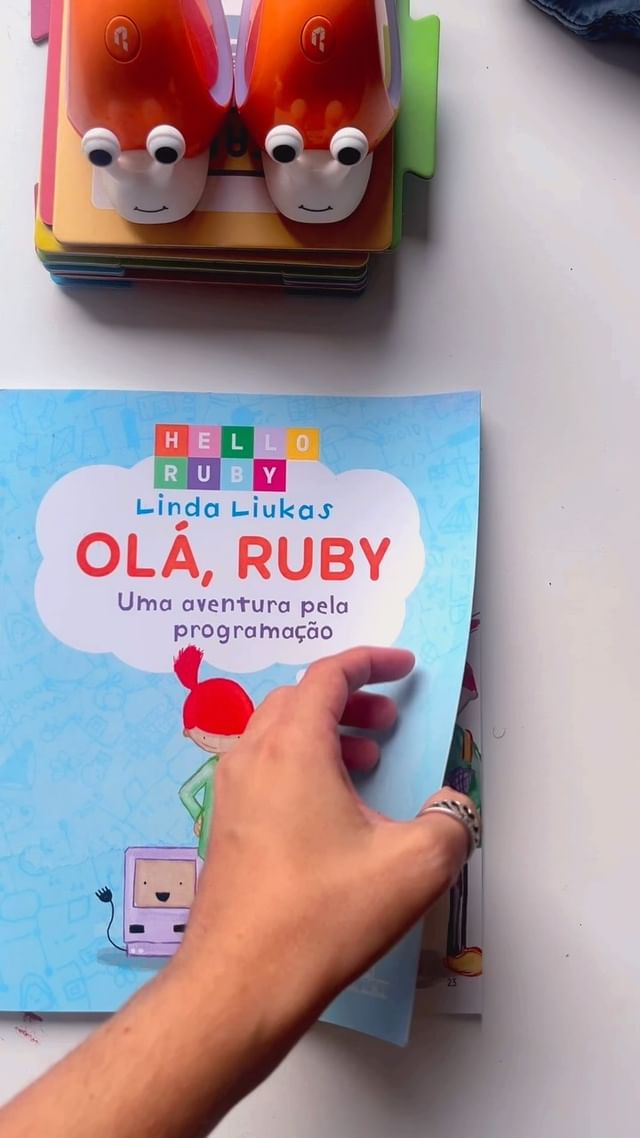
And some updates on the Brazilian curriculum work!