No. 58 - Science syllabuses with fiction ⫶ The Other Oppenheimer ⫶ Maps of Matter
Something Incredibly Wonderful Happens
My name is Linda. I write a bi-weekly newsletter about computer science, childhood, and culture - and there are 9742 of you listening. If you enjoy this issue, please share it with anyone who may find it helpful.
I finally had the opportunity to watch Oppenheimer. While I share Craig’s perspective - more science, more heist - I believe the film did manage to make visible (even audible!) much of what makes the history of physics so thrilling to me.
Back in high school, I disliked physics. Similar to mathematics, I thought there was only one correct answer. My type of knowledge was messier, laying fresh coats of facts, stories, and perspectives to the world. Physics simply felt dull. It wasn’t until I encountered three books that I fell in love.
In 2016, I devoured Seven Brief Lessons on Physics by Carlo Rovelli. His essays explored the universe, space, time, and the quantum world, interwoven with art, philosophy, and literature. Those writings remain among the most beautiful and touching essays I’ve ever read.
Then, I immersed myself in the Three-Body Problem series by Liu Cixin. Part of the joy was frantically researching all of the physics going on. (I would start a reading club anytime around the physics of the series, especially with the upcoming Netflix series.)
Finally, I read When We Cease to Understand the World by Benjamin Labatut. It is a book I both loved and got confused about. Partly fiction, partly fact. Looking at early 20th physics with literary eyes made me discover the same art in the theories.
I read Labatut’s work alongside Susan Rigetti’s guide for anyone who wants to learn physics independently, and it made me wonder why so few science syllabuses include fiction. I would love to see more science curriculums embrace the power of stories and history in creating a deeper appreciation for a subject. For me, it’s never only the theory of relativity, wave-particle duality, or uncertainty principle. It’s always Planck, Bohr, and Heisenberg. Erdos, Teller, Von Neumann. The world they lived in.
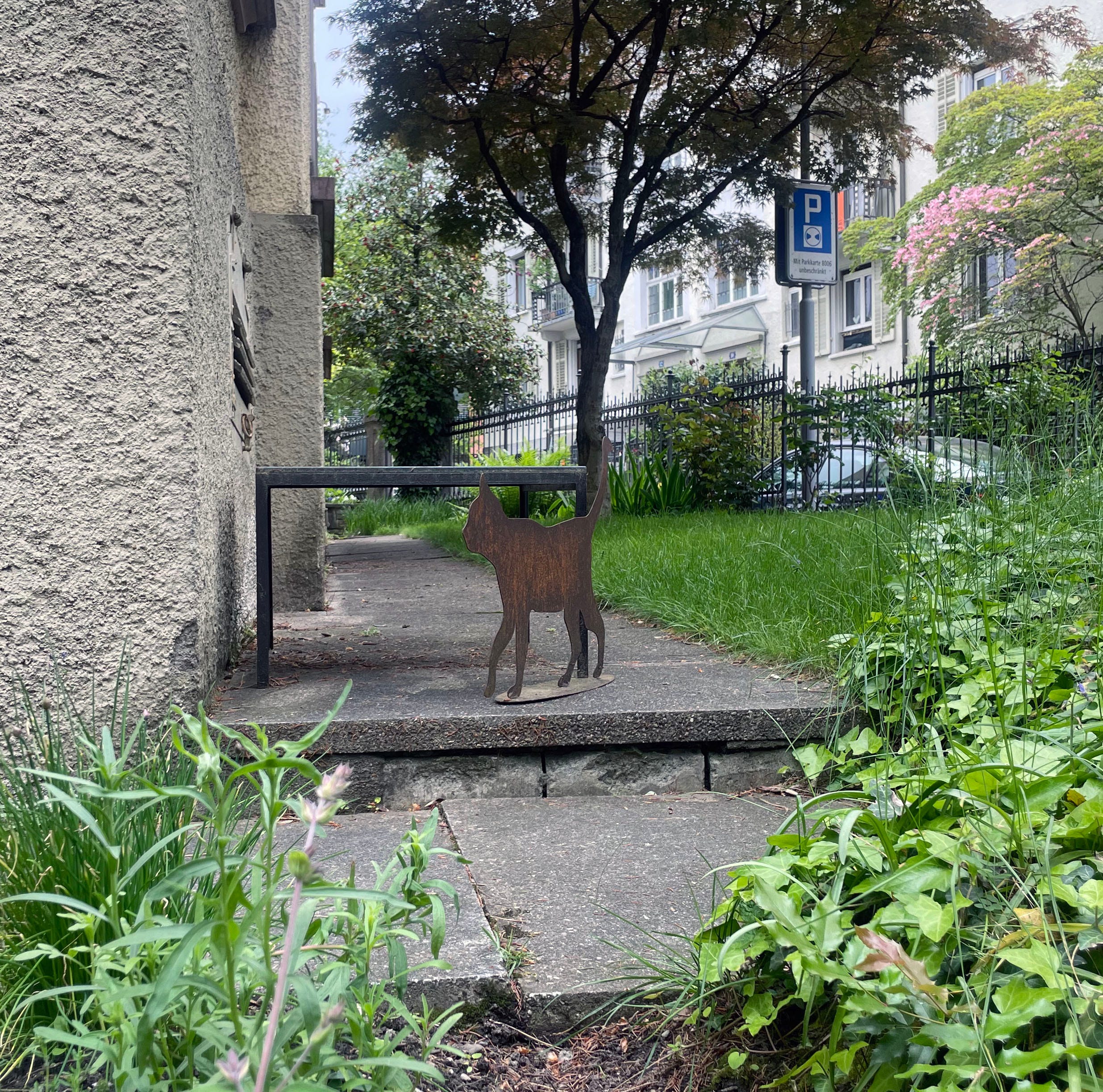
(The image is from Huttenstrasse 9 in Zurich, where a small cat statue commemorates Erwin Schrödinger. I initially thought there was some technology in how the figure disappears and appears - but it’s just playfully moved by the passersby!.)
Linked List
In computer science, a linked list is a linear collection of data elements whose order is not given by their physical placement in memory. But here it is a selection of things I’ve been reading lately.
Something Incredibly Wonderful Happens: Frank Oppenheimer and the world he made up by K.C Cole. Inspired by the movie, I picked this up again - the book is a story of how Frank Oppenheimer founded the Exploratorium in San Francisco, a museum that combines art and science, encouraging play, experimentation, and a sense of joy and wonder - and also inspired many other modern science museums around the world. Another movie I'd like to see!
I would need help fully understanding Michael Nielsen's essay Maps of Matter - still, so many interesting nuggets. And a whole other field I discovered only as a grownup: material sciences! How did I not care about any of this! What a world!
Two non-traditional physics papers, Physics a Way of Thinking and How to Teach Me Physics: Tradition is Not Always a Virtue, also helped me formulate some ideas around computer science teaching.
Classroom
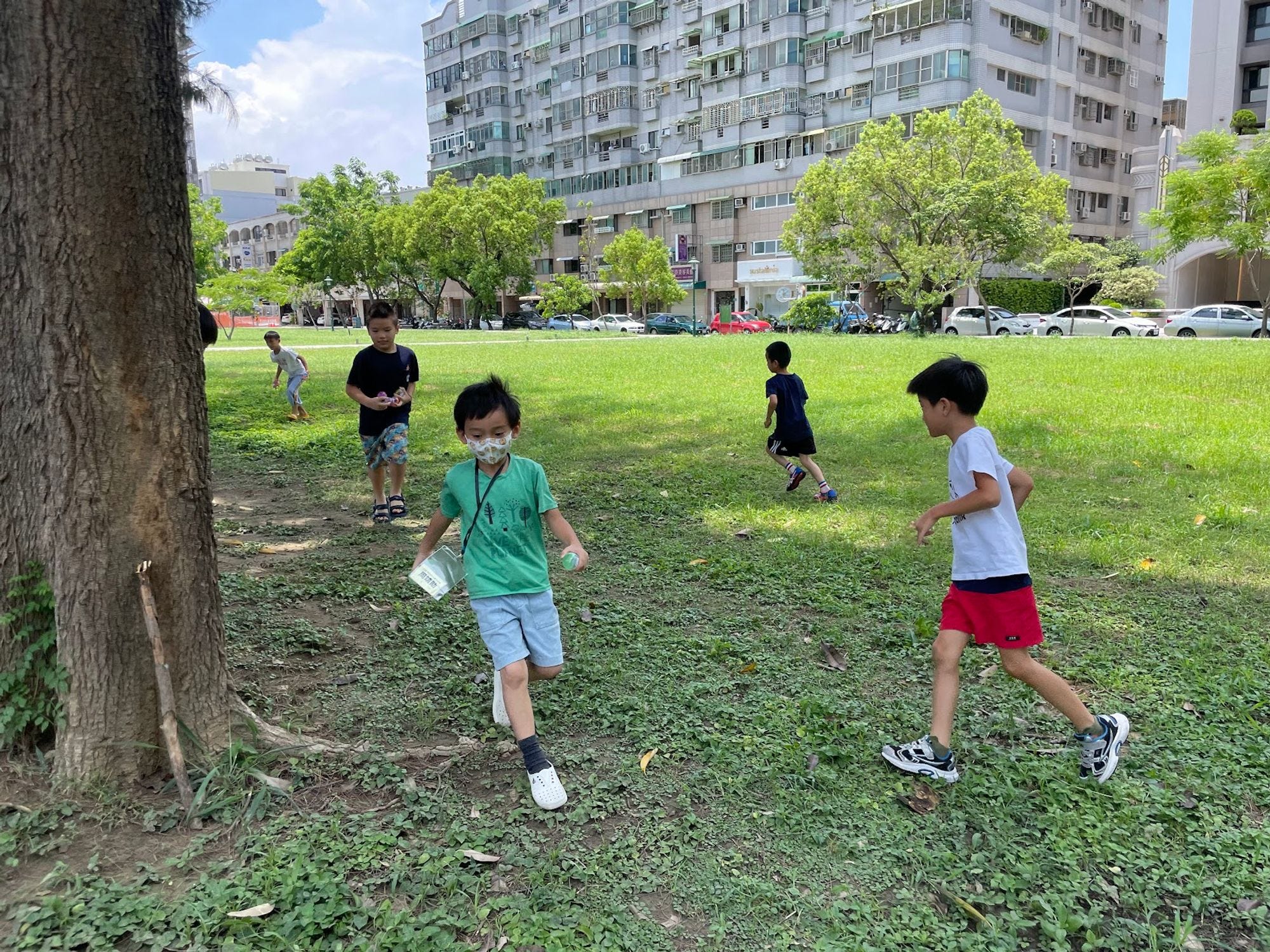
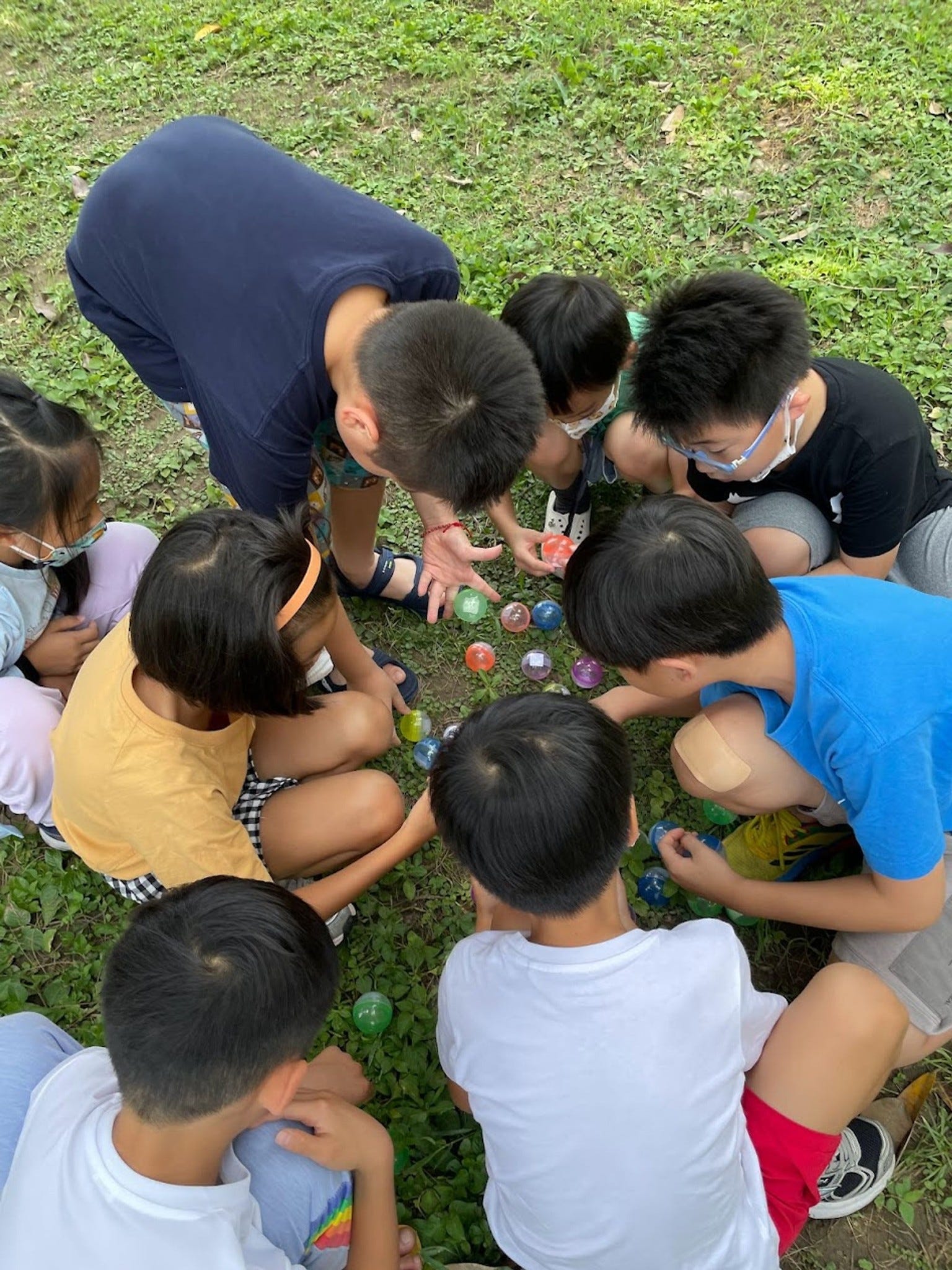
I’m always eagerly waiting to see STEAMLab Taiwan run their courses - Google translate does an ok job in in translating the ideas, but just look at the faces of the kids as they learn about packet switching and Internet.