No. 53 - Computer museums ⫶ Synthwave boy ⫶ Software Stories
Curate a small computer museum of 2023
My name is Linda. I write a bi-weekly newsletter about computer science, childhood and culture - and there are 9 709 of you listening. If you enjoy this issue, please share it with anyone you think may find it useful.
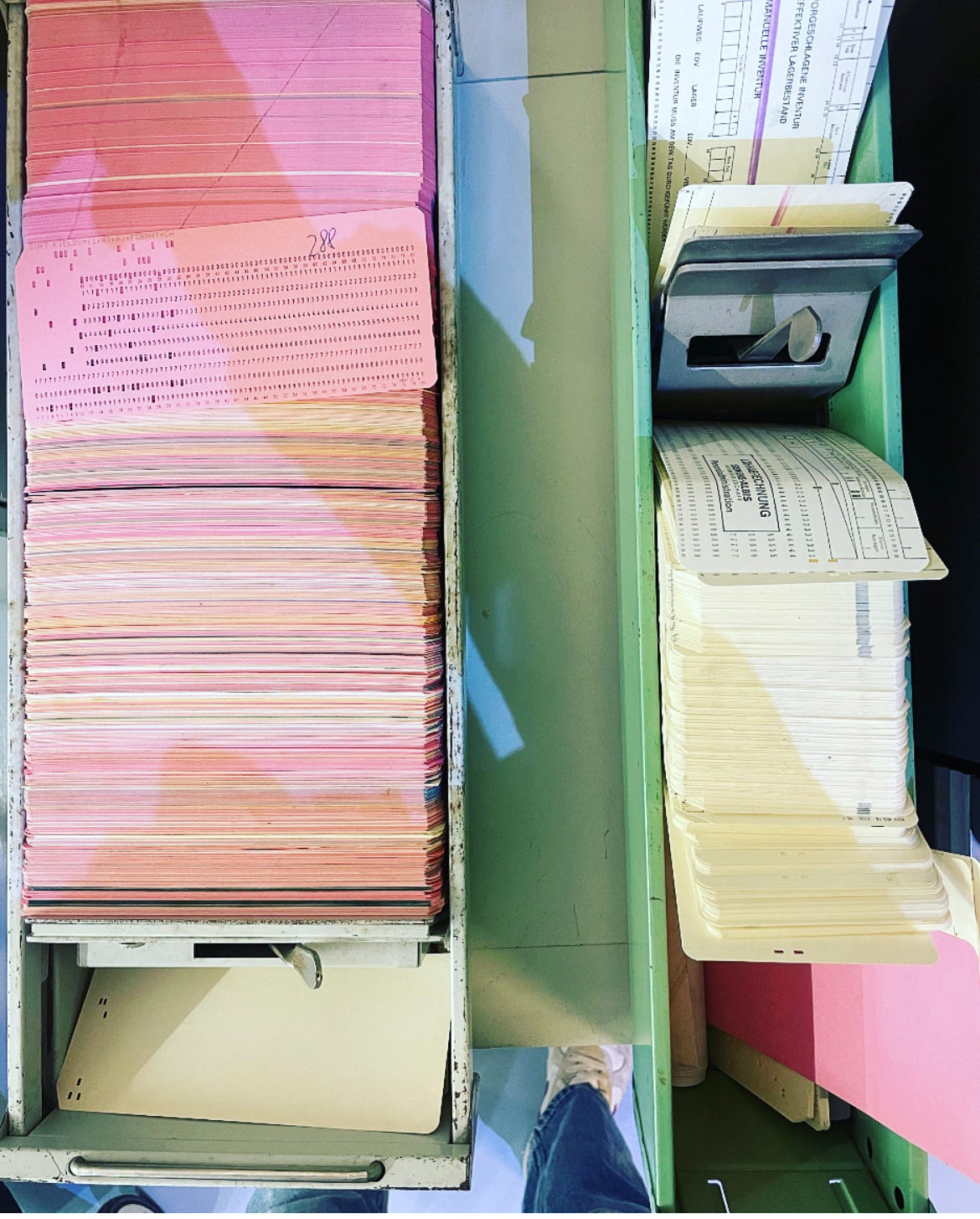
I'm in Switzerland, visiting family, and I got to make a day trip to Solothurn to the computer history museum Enter.CH. The museum is about to move to bigger premises, but I had wanted to visit ever since reading this blog post. The museum's highlights were an original Apple I and a Crypto Ag Zug machine, not from 2023, but from 1951.
The museum, let's face it, disappoints most people. It has over 10 000 objects scattered in a basement with narrow corridors. For me, however, it was oddly moving.
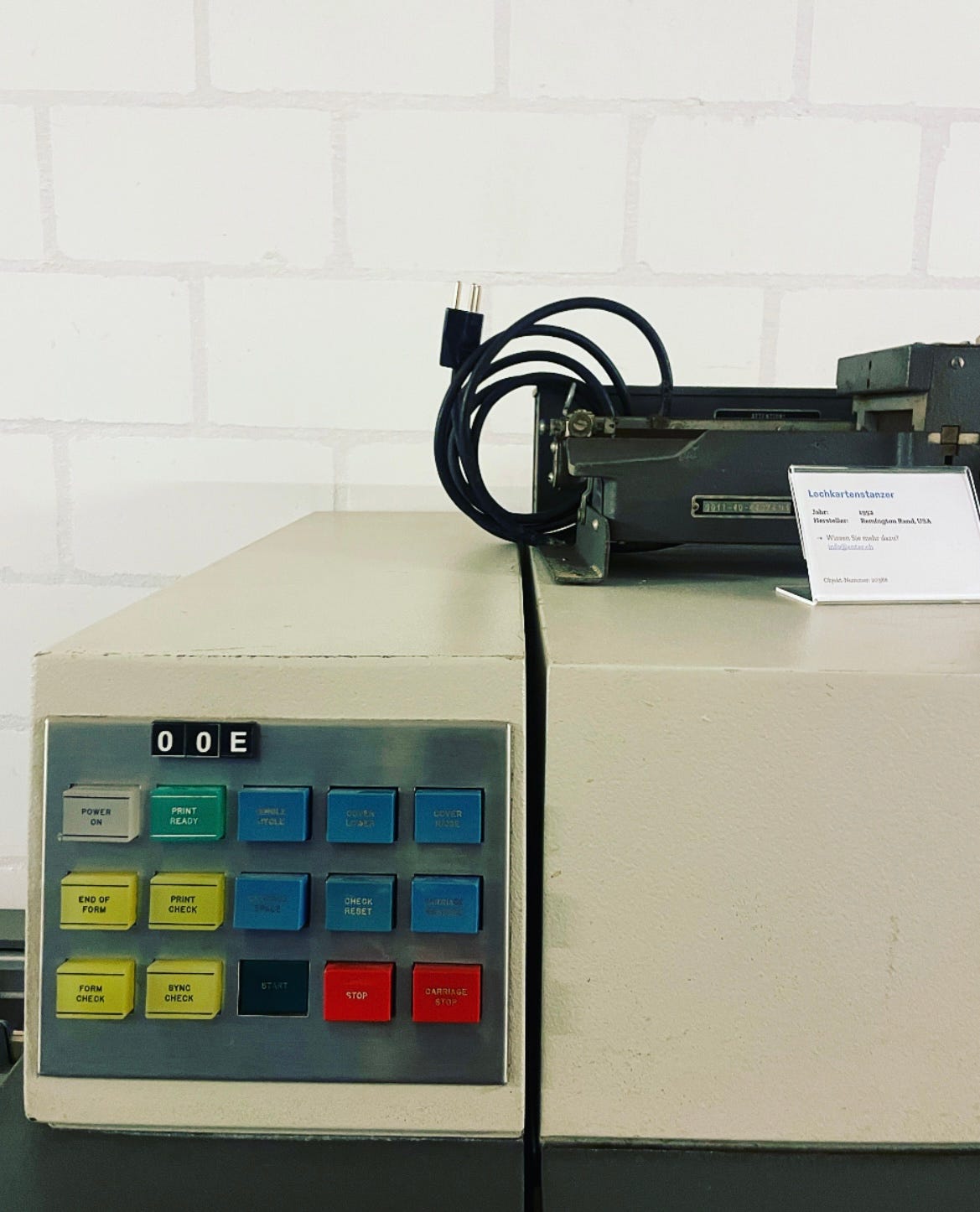
All these lifeless, silent machines used to mean so much to their users. The empty screens, meaningless devices, and almost no way of reliving their importance.
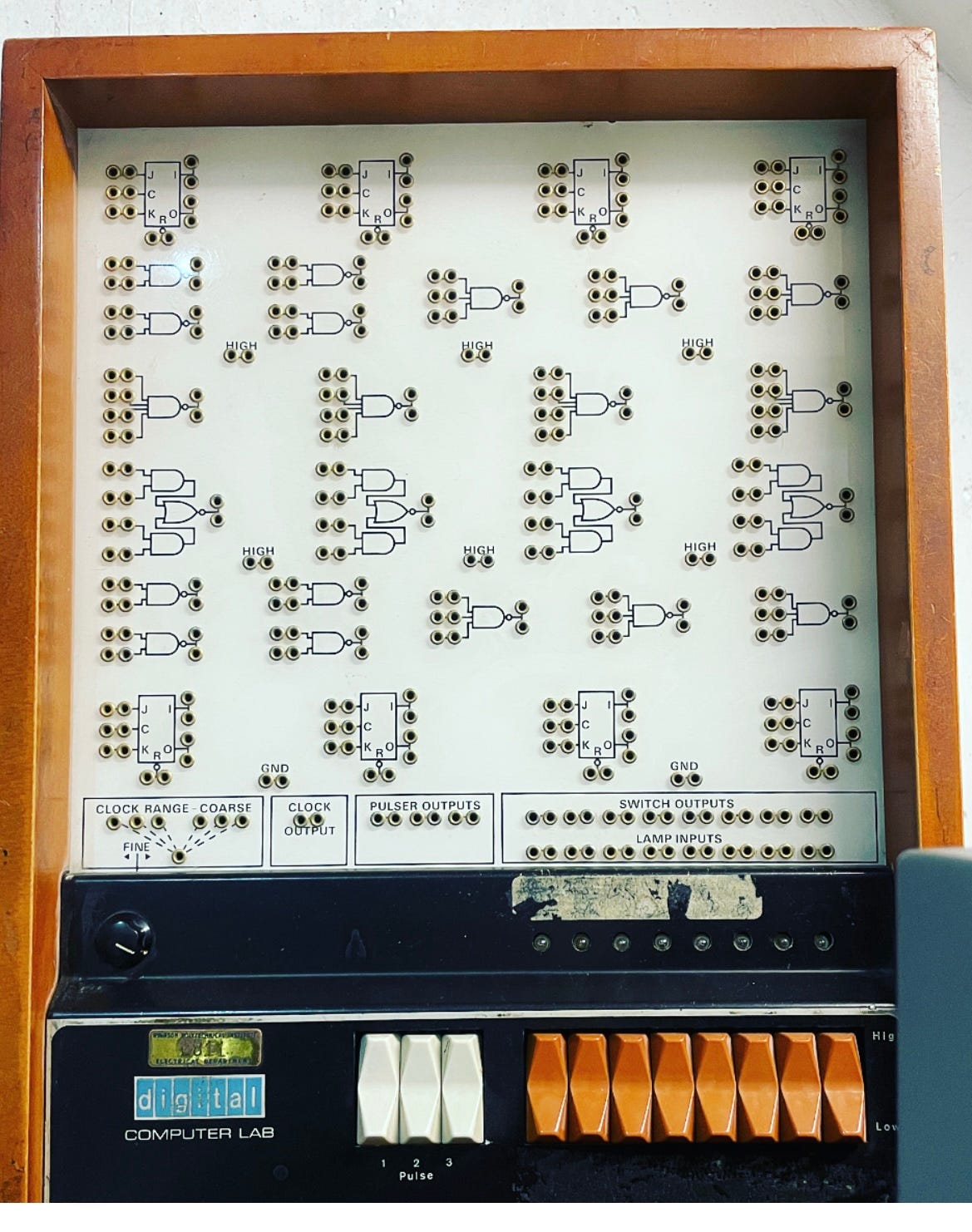
The Cambrian variety of computers was also a reminder of how design aesthetics have gotten very monotone - and how there might be a future where we once again look for more ornate inspiration. Around a corner also surprising beauty: soft pastels, logic gate boards with beautiful wooden frames, and a calculating machine with grand piano energy.

One other group of visitors, maybe 9-year-old kids, was having a blast at the arcade games section. They didn't care for the latest graphic cards or new games but eagerly banged through the classics. We may need more software for the computer history museums.
My little travel itinerary for anyone interested in computer museums: I've been to Computer History Museum in California and the Cambridge-based Centre for Computing History. Both were delightful and completely different. I heard great things about the Living Computer Museum, but unfortunately now closed.
In more digital realms: The Software Stories is some kind of prototype for a digital museum for source code "to collect, preserve and share source code as a precious asset of humankind." Cooper Hewitt's digital collection materials and the color maps I've shared before.
Are there other computer museums or exhibitions I should know about? What makes them memorable? I’m also wondering if this might make for a good school project - curate a small computer museum of 2023 and then hide it for the future.
Linked List
In computer science, a linked list is a linear collection of data elements whose order is not given by their physical placement in memory. But here it is a selection of things I’ve been reading lately.
Looking forward to Naive Yearly in Copenhagen - looks like a lovely gathering.
I've written about the Lofi Girl in the past - and now there is Synthwave Boy, all the time sitting in the apartment across from the girl. This has got to be my favorite POV memes/character universes. Waiting for a classical apartment to open its doors.
The infrastructure of video games: why are giant elevators so standard in video games? Pair with the exquisite maps from Videogame Atlas. (Can you tell I'm waiting to start the new Zelda..)
I will be in London next week: Es Devlin at Tate, Anthony Caro at Pitzhanger, and Ai Weiwei at Design Museum are on my list. What else?
Classroom
I’m hoping to surface and share stories from all of you and I’d love to see your creations! Here are a few teachers using Ruby in creative, fun and inspiring ways.
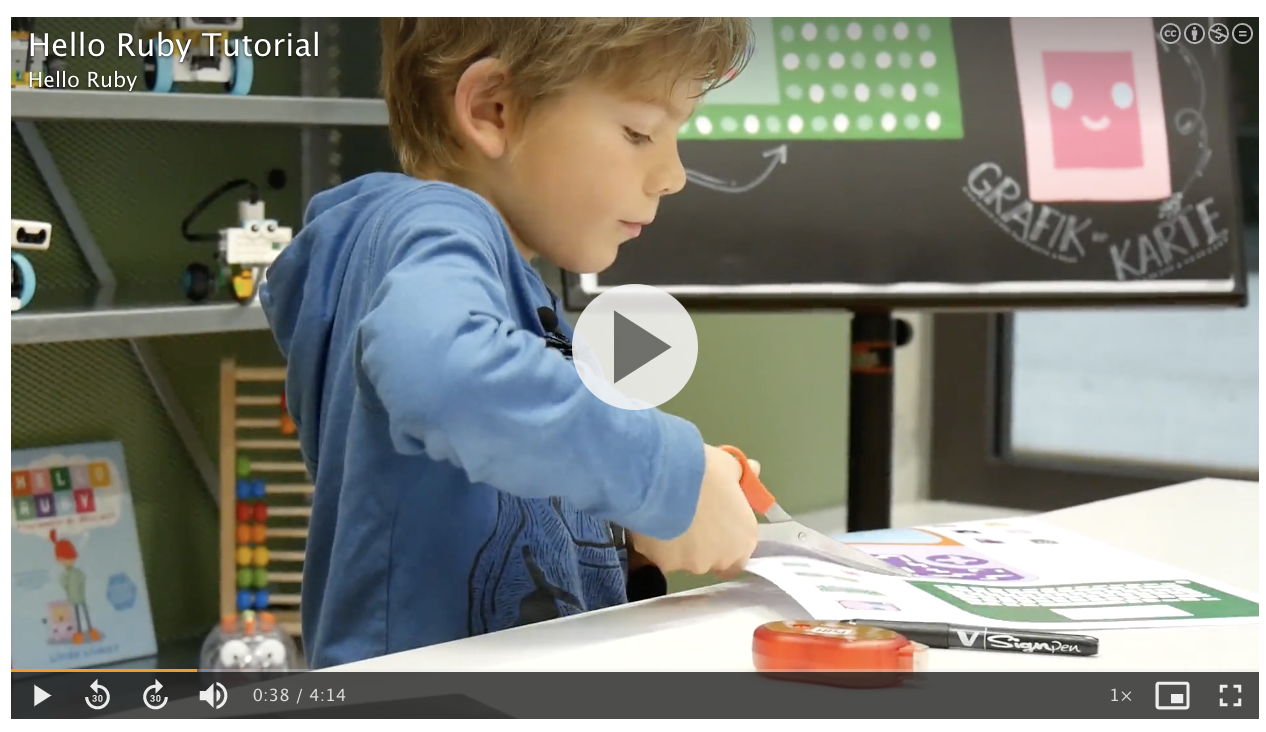
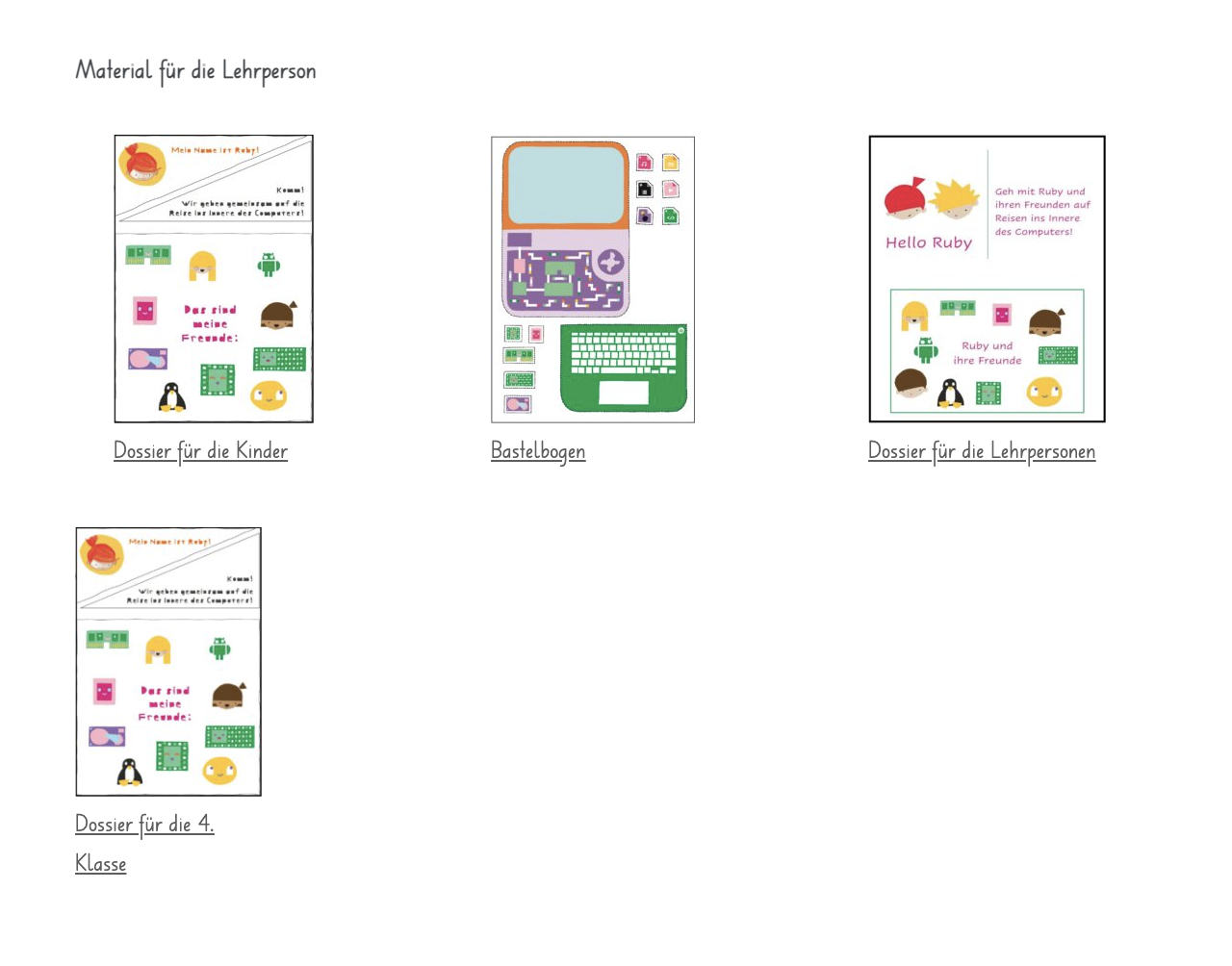
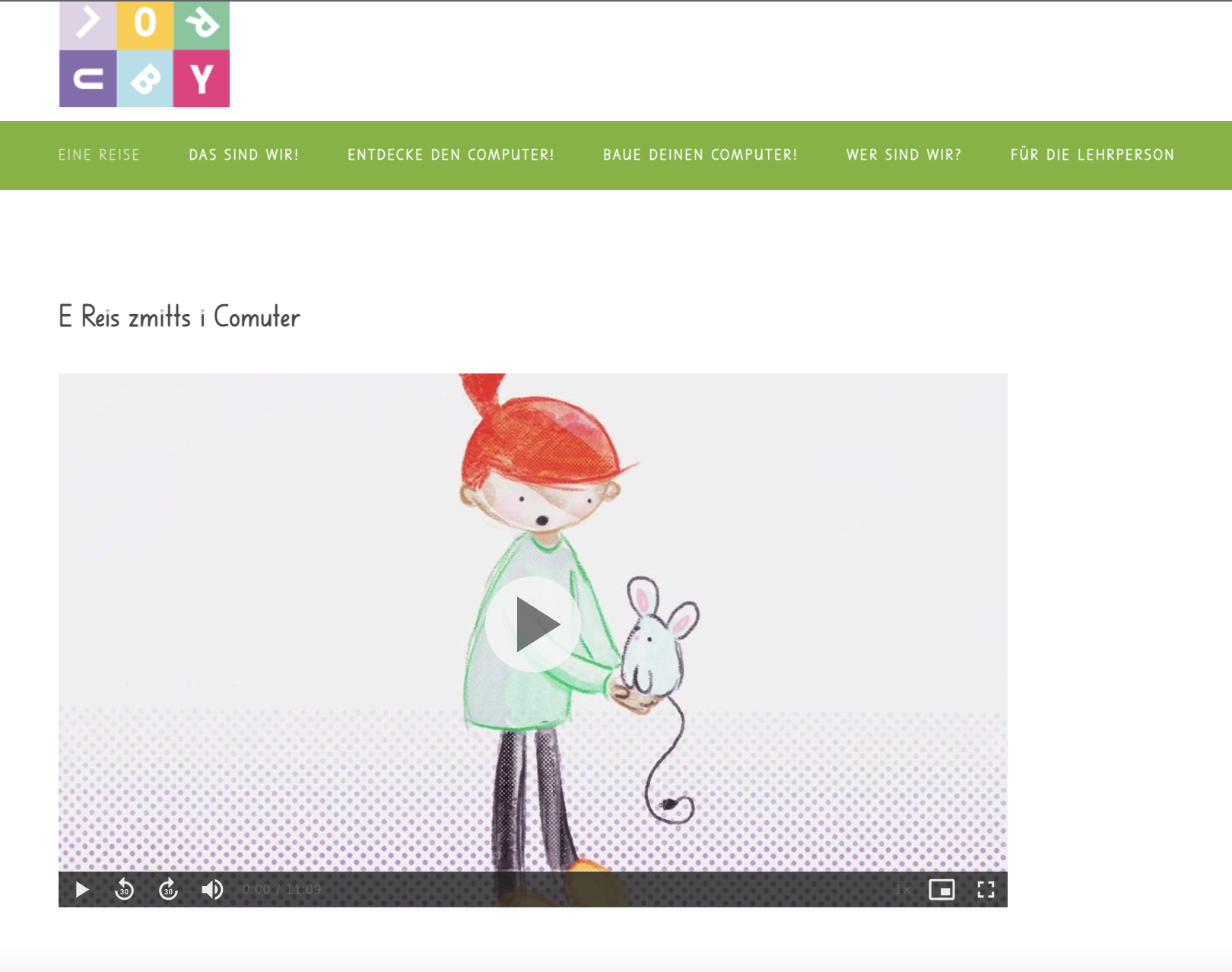
This time only one resource, but it’s an excellent one, especially for German speaking readers. PH Bern did this gorgeous material for educators around the second Ruby book. There is an interactive video and read-aloud of the book, materials, and tutorials. Much recommended!