No. 51 - On Scale ⫶ Our Glacial Perspectives ⫶ Reading synchronously
Beauty on all scales
My name is Linda. I write a bi-weekly newsletter about computer science, childhood and culture - and there are 9 717 of you listening. If you enjoy this issue, please share it with anyone you think may find it useful.

Reeds sprout by rivers, rice seedlings grow. 穀雨.
Half a hundred editions later, there is something special about this newsletter. Throughout these almost three years, the subscriber count hasn’t grown - it shrinks. After each message I send, I see a drop in the subscriber number. Then it climbs up again, only to drop off once more. The first edition had 9910 subscribers; now, there are 9717.
I’ve been thinking about this a lot lately.
Coming from technology, I used to have a stubborn idea about scale. It’s a vector, growth, a verb. Scaling up or scaling down. Blitzscaling. Scalability as a positive attribute of growth.
But scale can be something else.
Working with architects, I learned that they think about scale entirely differently. In medieval cathedrals, the entryways were always small and cramped, so entering the towering church hall created a sense of awe and reverence.
In the Baroque, beauty was perceived on all scales - from door handles to moldings to entire buildings, which makes for very ornate buildings.
(I can’t help thinking about what a sense of scale would mean regarding curriculum. Planetary-scale impact, logarithmic scale change, and non-scalable knowledge are among a few topics a future K-12 curriculum might cover. )
When I think about this newsletter, the shrinking size creates a density with its own extraordinary scale. And I haven’t really even started to experiment with what that means with regard to some of the work dreams I have.
Linked List
In computer science, a linked list is a linear collection of data elements whose order is not given by their physical placement in memory. But here it is a selection of things I’ve been reading lately.
Numbers for understanding cities. I think these types of mental stacks are so useful - I don’t need to know all the numbers, but I need to understand a few well.
Fermentation, yeasts, time-scales of non-human things. So much to digest at Synthetic Ecologies Compendium.
Olafur Eliasson’s Our Glacial Perspectives is a timeline of the planet.
Essays the size of cathedrals. This superb essay by Henrik Karlsson tracks some of the best writing done for the web and future directions. “When I release an essay there will usually in the first hours be a few hundred people passing through; larger Substacks will have thousands of people reading synchronously. What if you could see each other? What if there were break-out rooms where you could discuss the text?” is pure multiplayer mode!
Classroom
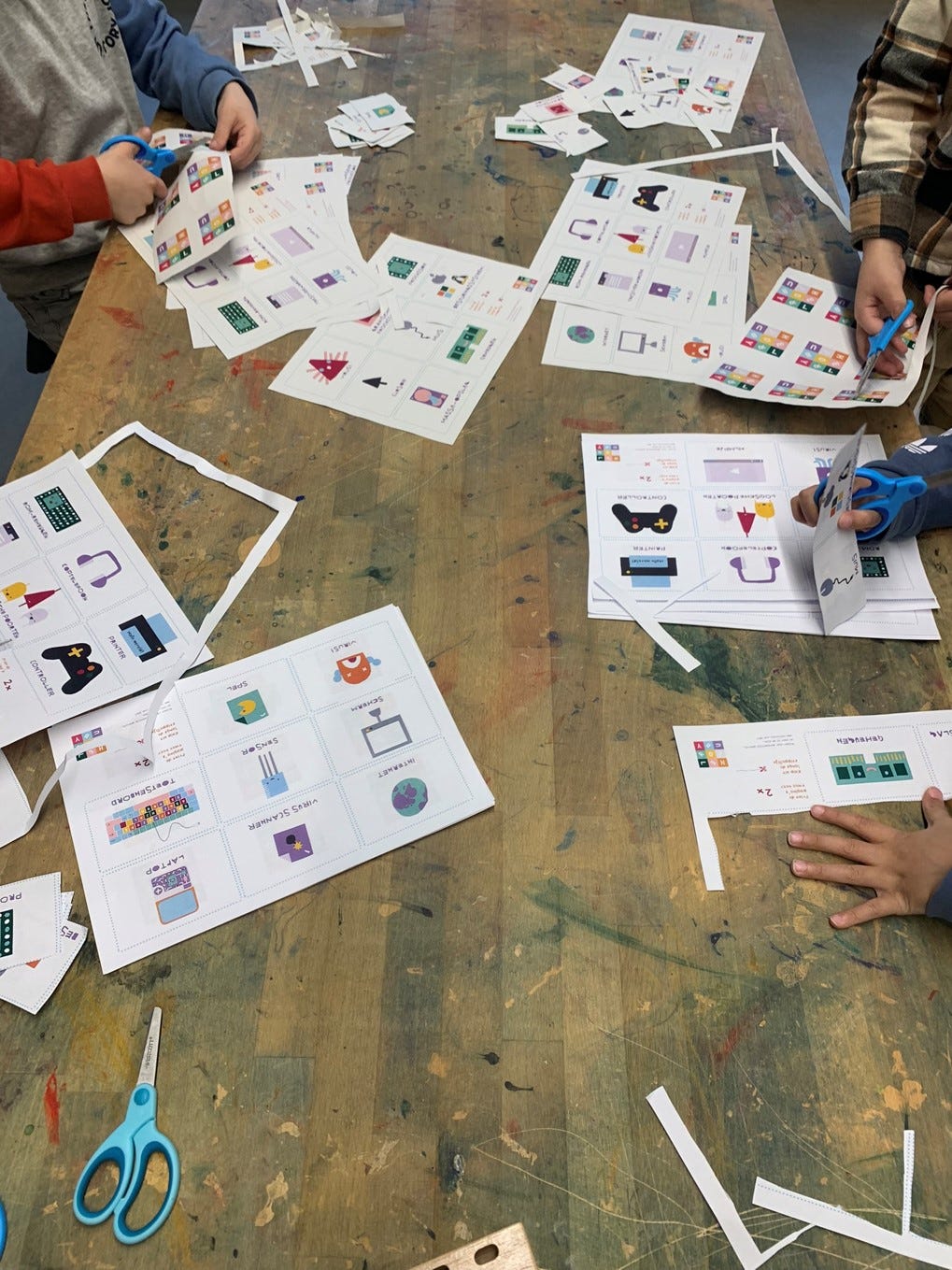
Yanilka Lindeborg’s class in Netherlands did the memory game activity. Almost 10 years, but still relevant!
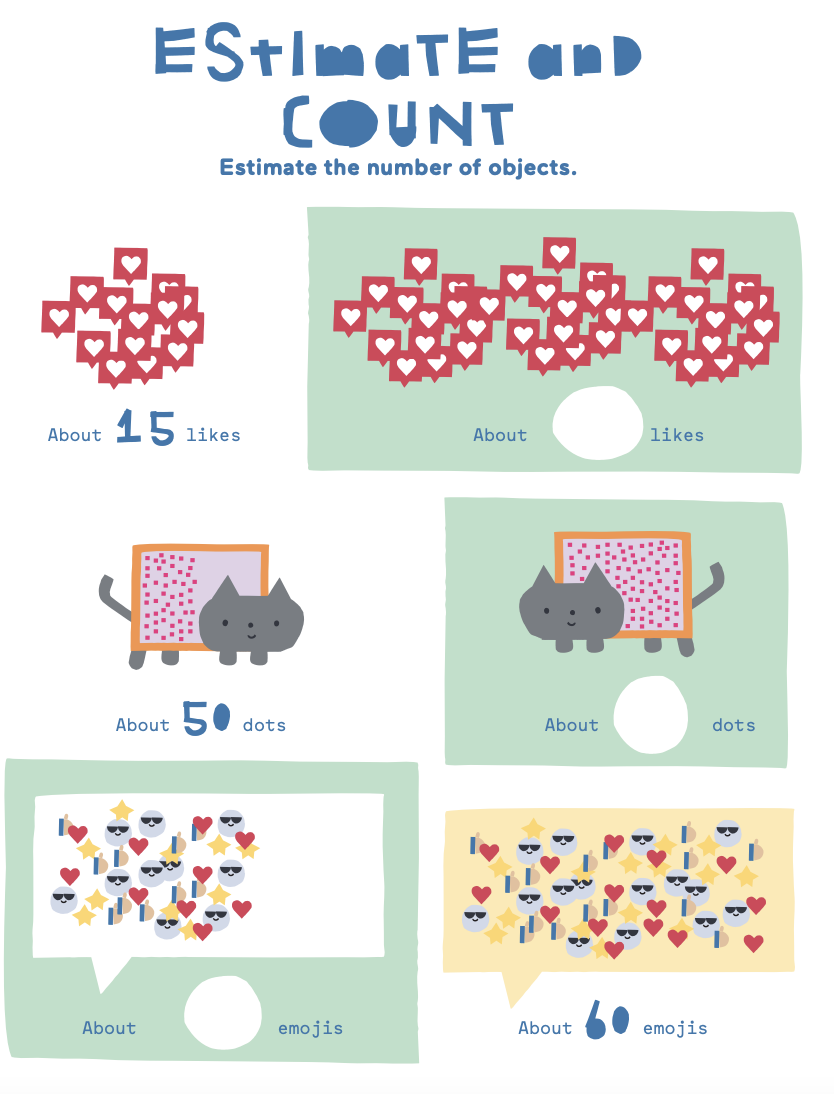
A few years ago I did a number of activities to help kids develop their numbers sense with estimation and decomposition skills. I’m itching to do something similar with the ideas around scale.