No. 131 — Schools of lost crafts ⫶ Caryatids ⫶ Radio dials
Mechanism over magic
My name is Linda. I write a bi-weekly newsletter about computer science, childhood, and culture.
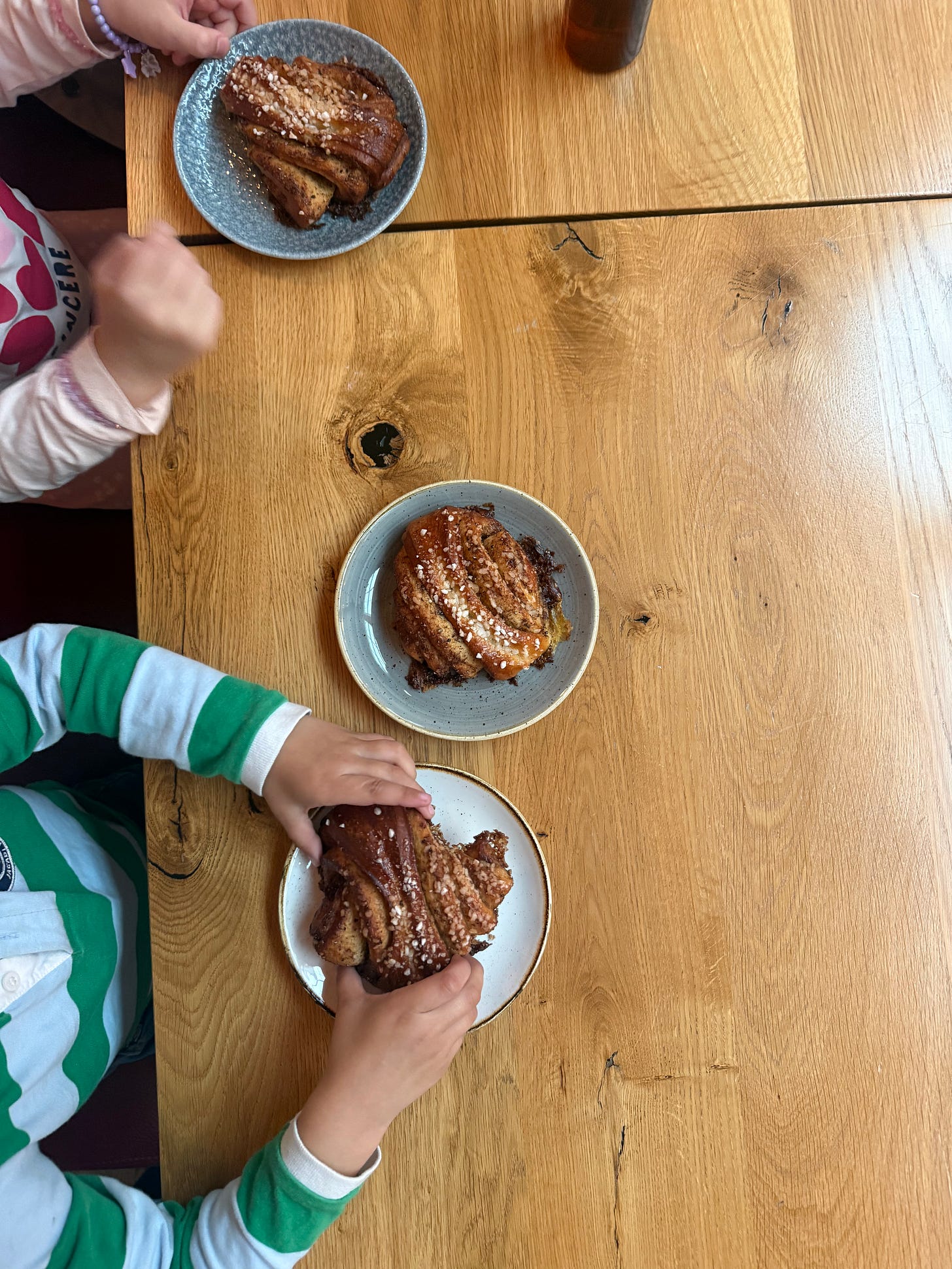
Last week of summer. I've danced to drum’n’brass at Flow Festival, slept in Nolla Cabin, saw Anish Kapoor at Serlachius Museum, prepared potatoes almost every day, admired the colors of Finnish bedrock, ran a 20-kilometer trail competition, started cleaning my attic, obsessed over tomato-cheddar sandwiches, read way less than what I said I would, said yes to every single invitation for hangouts, eaten the free lunches they serve at Finnish playgrounds in summer, drunk Finnish filter coffee for four weeks, and filled my social batteries. The sense of drama of the vacation is always unparalleled: we arrive in full summer, but depart in fall.
1.
I cancelled Spotify last spring after being a paying member for some 15 years. What instead? Public radio! I like how situated listening to human-curated radio channels feels, like a local, well-listened and sometimes mischievous friend.
In France it’s the excellent Radio FIP and now in Finland, Radio Helsinki. I also noticed Murakami Radio is back (although you do need a VPN for it). In Switzerland I discovered Couleur 3. A Copenhagen friend introduced me to The Lake Radio. For children’s music, Mon petit France Inter and Radio Minus (the compilations are long enough to just go with).
“Want me to build you a little one-page radio dial with all of these and their live stream links?” suggested Claude, and enthusiastically I said yes. I’m also travelling quite a bit this fall and I want to find local internet radios in Maine, Aarhus, Hong Kong, Madrid... Any suggestions?
2.
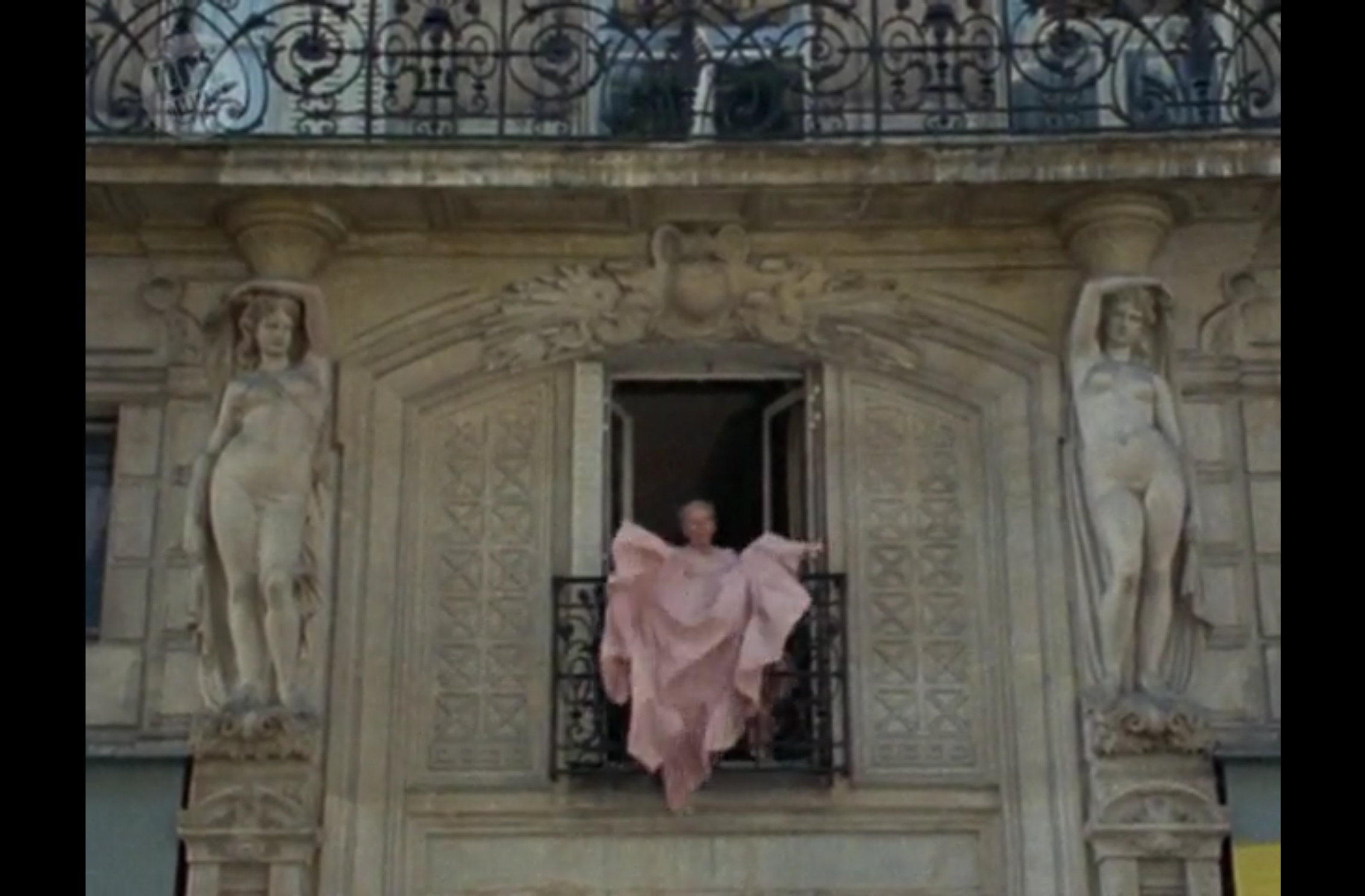
On Rue Turbigo in Paris there is a four-story-tall stone woman. The caryatid always makes me feel like I’m both sinking and rising. She is sometimes called the mystery angel, the angel of the bizarre.
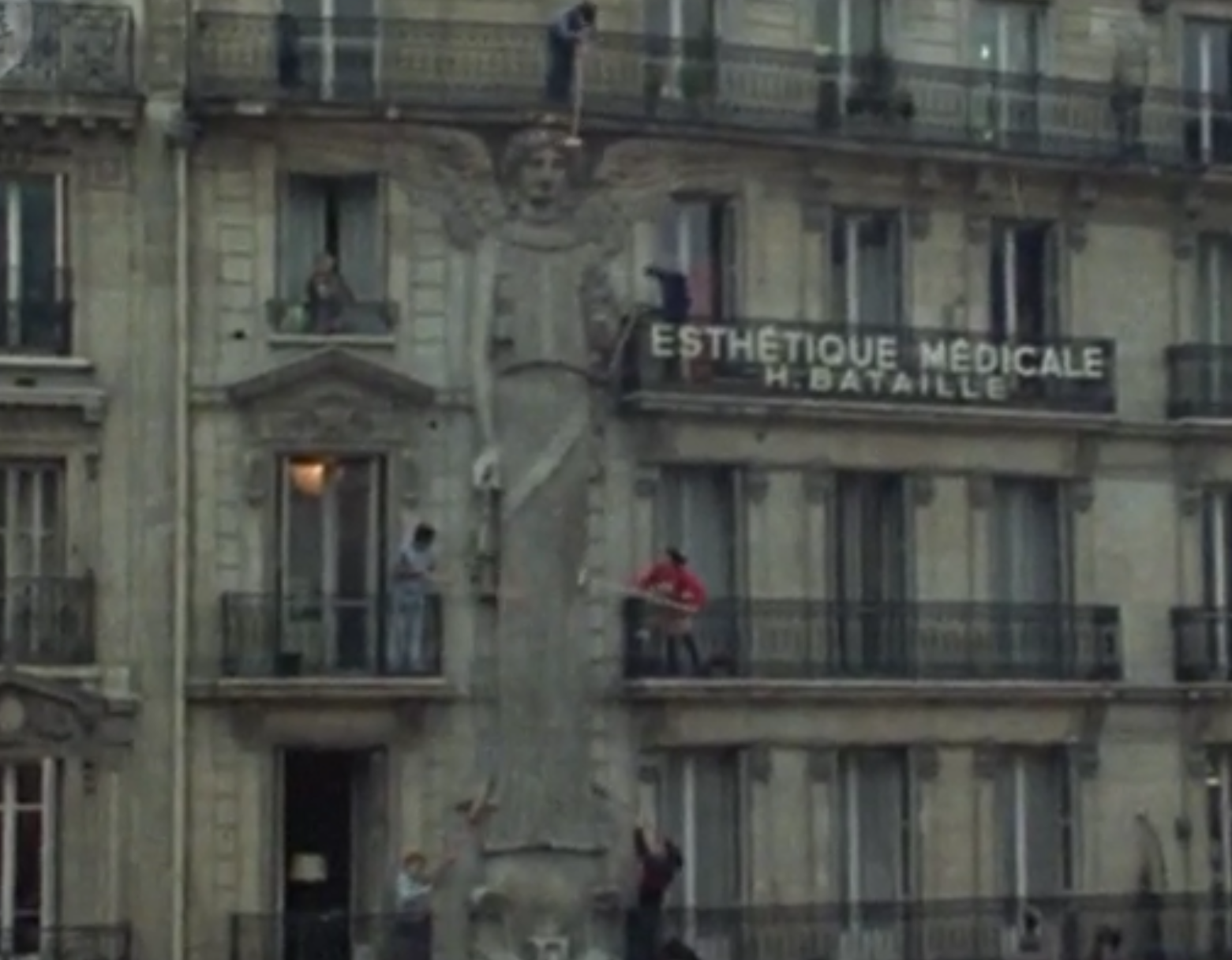
I watched a 12-minute film-essay Agnès Varda made for French television in 1984 on these statues one finds everywhere in Paris. The documentary is delightful: it includes a Baudelaire poem, some history on the caryatids and atlases, and you should buy it on Criterion for 2 euros. My favorite part is at the end, where the angel on Rue Turbigo is being cleaned by a group of people with brooms, one on each balcony. It’s women carrying Paris, she says somewhere in it.
3.
i suspect demand for labor-intensive aesthetics will go up over the coming decades.
furniture with wood carving, stone masonry, architecture that incorporates sculpted structure, and other deep crafts.
and there will be a talent shortage. we need more schools of lost crafts.
Earlier in the summer we visited 19M, a Chanel-backed fashion and crafts hub located on the border of the 19th arrondissement. There are 11 specialized craft ateliers (such as for embroidery and feathers), an exhibition space and a cafe. Next doors there is a wonderful childrens space La Parcelle and a yearly family festival. M stands for mode (fashion), mains (hands), and métiers d'art (crafts).
4.
One of the most delightful stories I heard last week was about the Finnish watchmaking school, which used to be close to where I went to high school in Tapiola. Finland has a great reputation within the watch industry, but most graduates apparently end up at companies like Bluefors, which builds refrigeration systems for quantum computers, or IQM, Finland's quantum computing unicorn. The precision hands trained on watch movements turn out to be what you need to build the next generation of hardware.
5.
Much of the way I work involves first collecting many examples of what good looks like. I have folders, Are.na boards, Pinterest boards full of references. When working with picture books, I never really needed to articulate why I think something works. Playgrounds, however, are a team effort.
Inspired by Hilary Gridley (her post has the exact prompt!), I asked an LLM to create an evaluation rubric from my own reference collections of a 682-block Are.na channel and three Pinterest boards. It distilled ten criteria. A few of my favorites:
SHOWS ITS WORKINGS. A seven-year-old forms a theory about how it works, tests it by doing something, and is right. Mechanism over magic.
RISK IS DESIGNED IN, NOT OUT. A child can get it wrong in a way that teaches them something without hospitalising them.
THE CHILD AUTHORS SOMETHING. The place is different at 5pm than at 9am because of what children did.
This is language I would never have come up with myself, but handed back to me, it helps me communicate what I care about.
6.
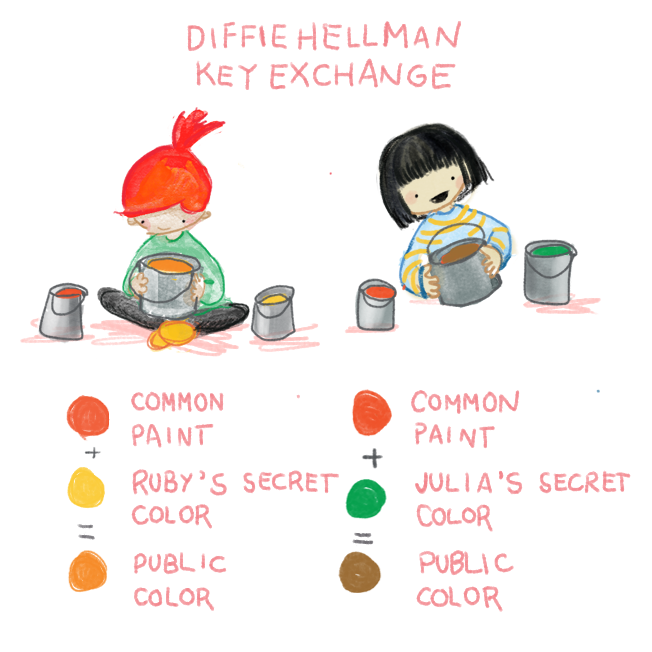
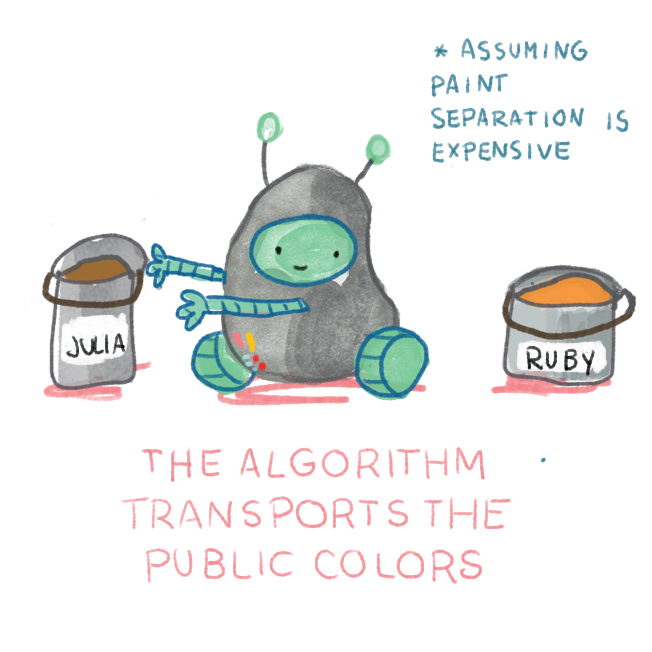
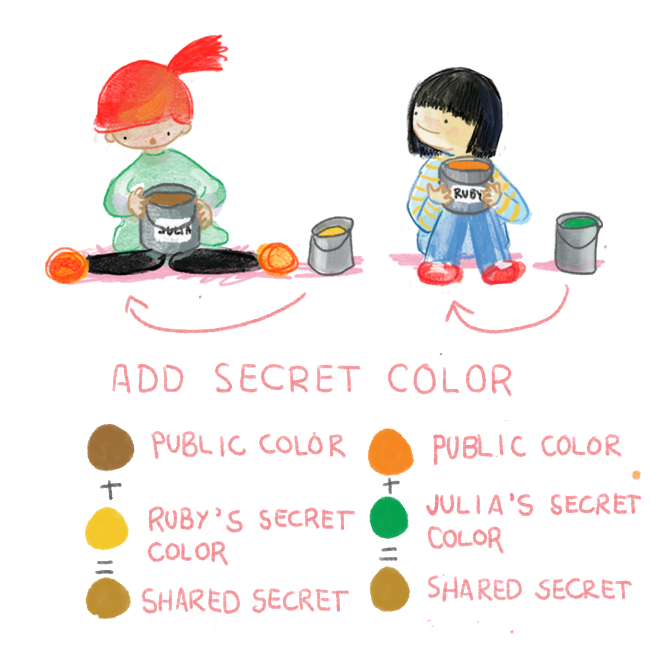
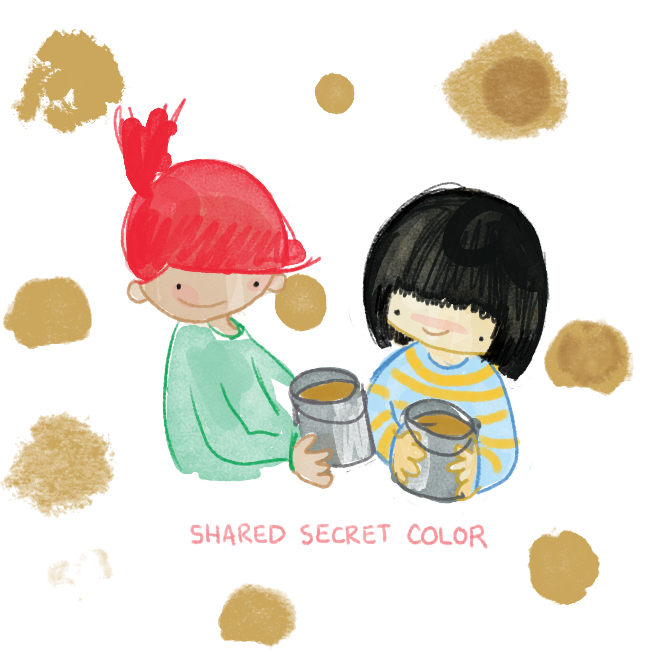
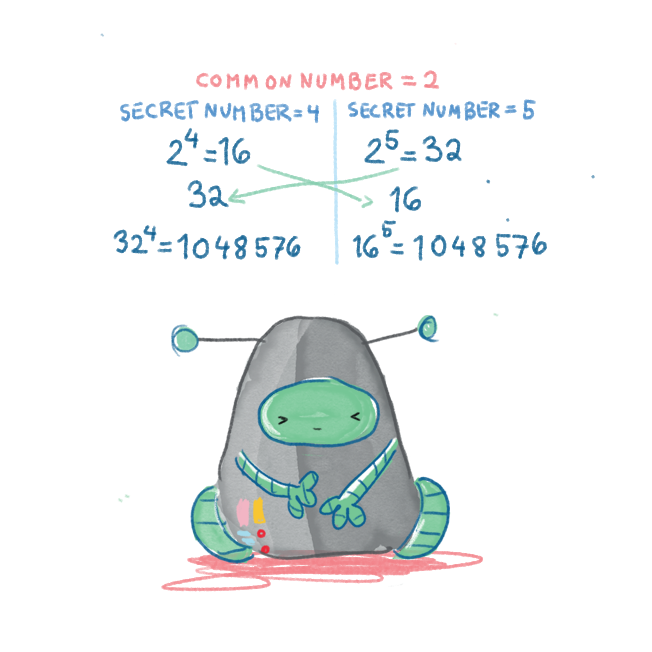
I was trying to think of how to explain AI text watermarking and remembered I never shared this interactive version of the Diffie-Hellman illustrations I made a few years ago - very much with the help of Claude Code. I think it's very curious to see how the whole tradition and craft of explorable explanations will blossom and/or wither with coding agents.