No. 114 — It’s Books, Darling ⫶ Gingerbread Playground ⫶ La Manche to London
babies worship unknown goods
My name is Linda. I write a bi-weekly newsletter about computer science, childhood, and culture.
The underwater tunnel that connects Calais to Folkestone runs beneath the English Channel, which the French call la Manche. In just two and a half hours, it takes me from Paris to London and it’s honestly one of the best tricks living in this city has to offer. Poof, I’m back in my childhood England.
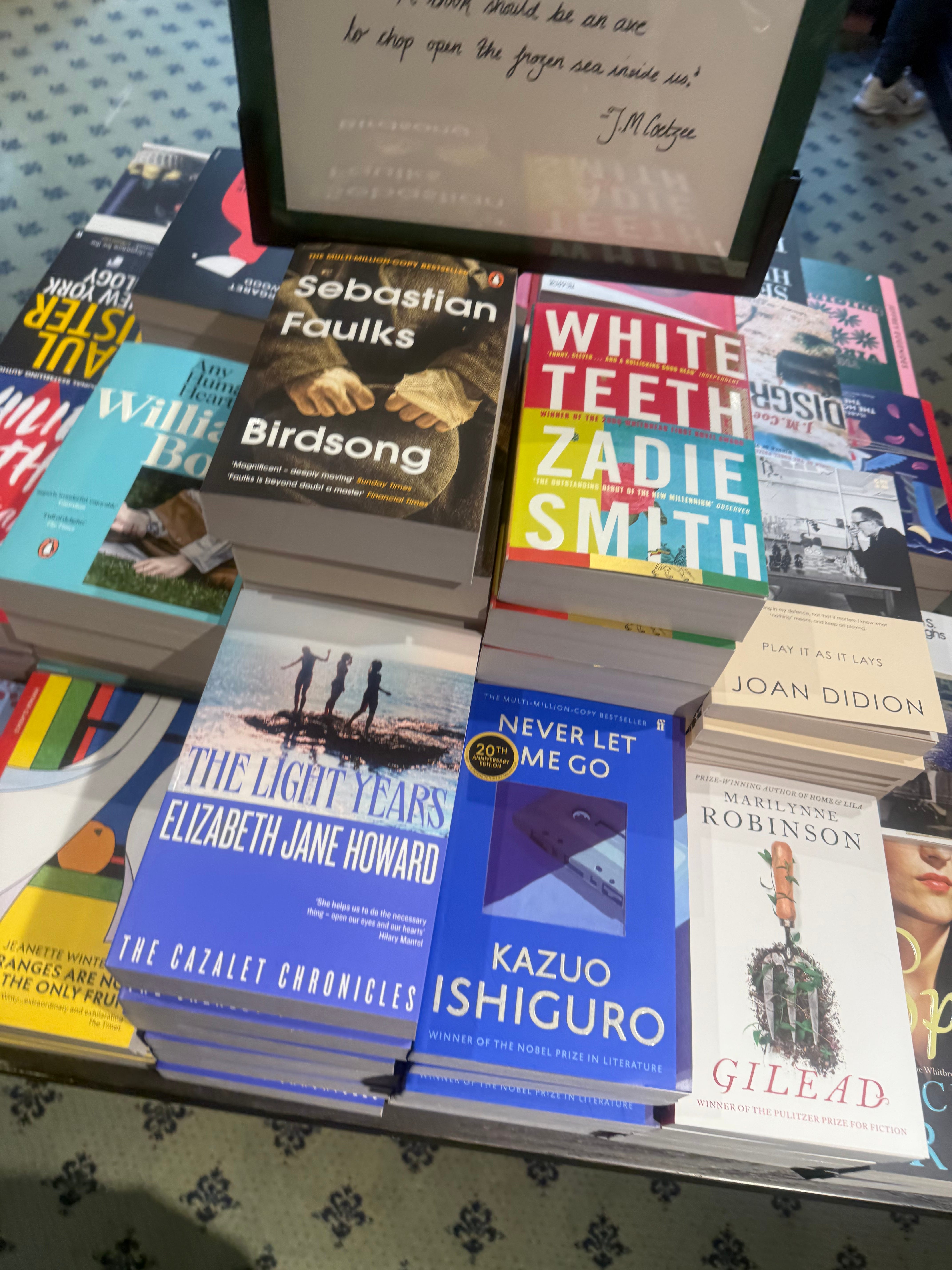
Every time I return to London, I realise how much I’ve missed the bookshops. Not the algorithmic “you might also like” rows, but the REAL tables: loosely connected piles of books that share a feeling rather than a genre, something only a bookseller’s hunch can see.
1.
I’ll share the full list of everything I read in 2025 in my upcoming Year in Review, but since this is peak book-buying season, here are a few small constellations/recommendations/tables from this year’s reading – all books I genuinely enjoyed. (Some linked books lead to Bookshop.org, and I earn a small commission each time someone uses the link to purchase a book.)
Technology writing that made me smile in 2025:
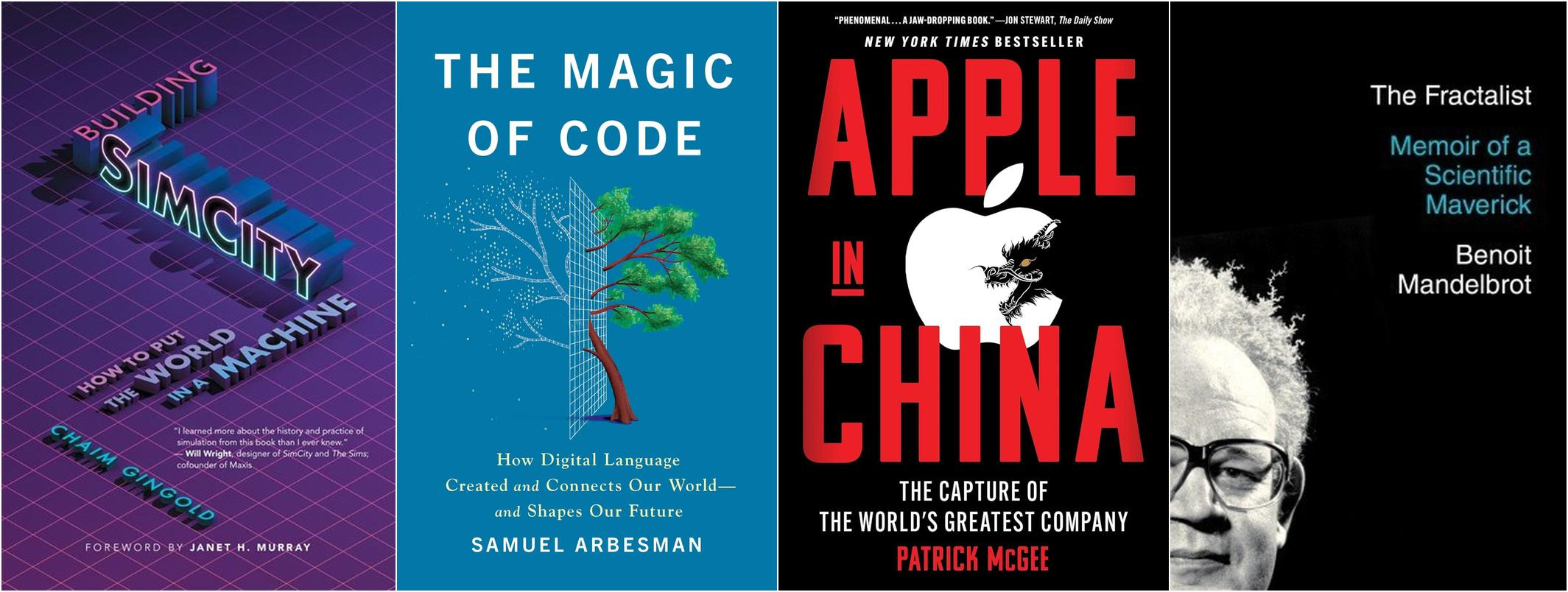
Building SimCity: How to Put the World in a Machine by Chaim Gingold
The Magic of Code: How Digital Language Created and Connects Our World―and Shapes Our Future by Samuel Arbesman
Apple in China: The Capture of the World’s Greatest Company by Patrick McGee
The Fractalist: Memoir of a Scientific Maverick by Benoît B. Mandelbrot
Books that belong to a a bookshelf in the New Global Ministry of Infrastructure (formed sometime in 2045):
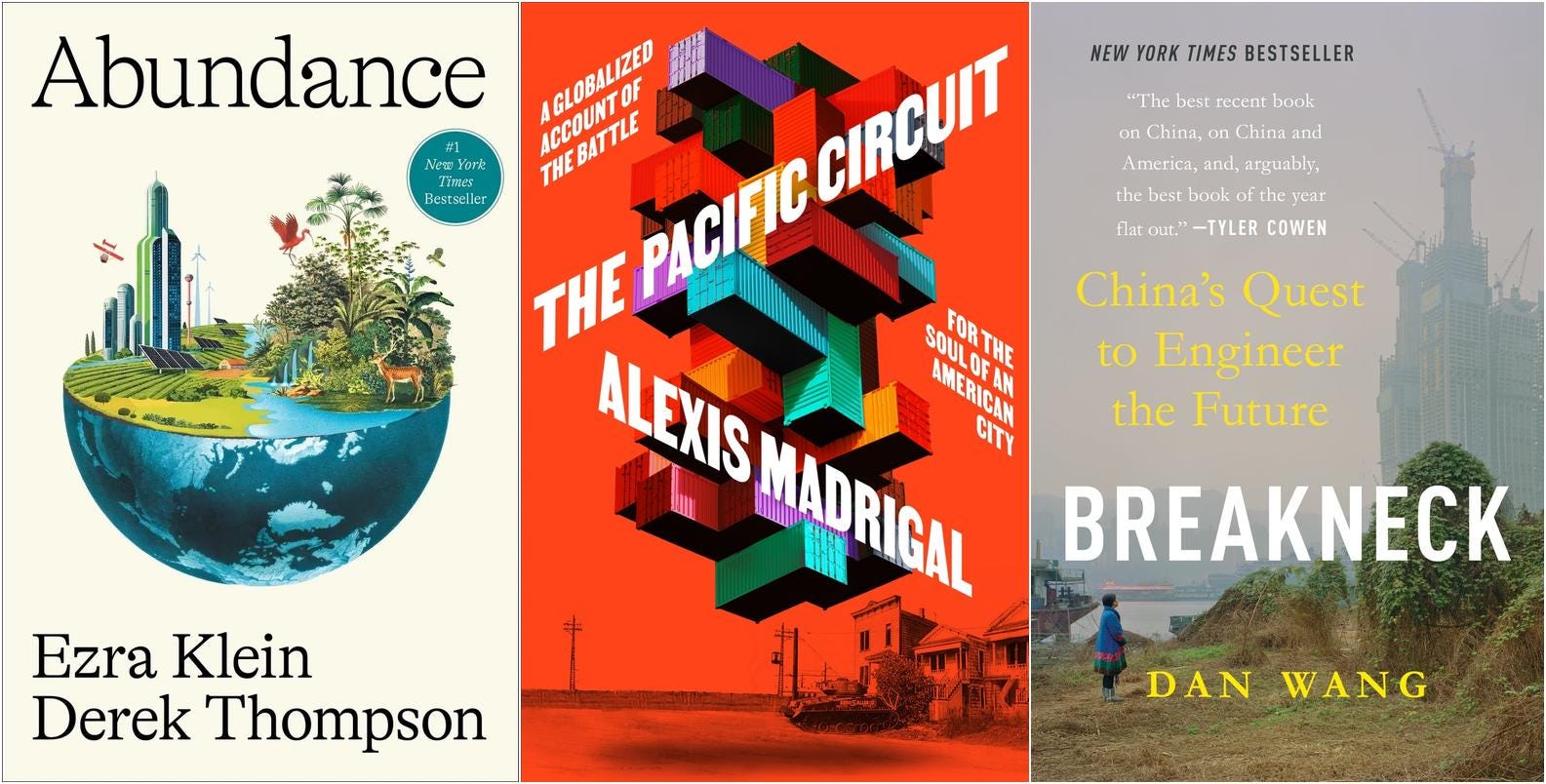
Breakneck: China’s Quest to Engineer the Future by Dan Wang
The Pacific Circuit: A Globalized Account of the Battle for the Soul of an American City by Alexis Madrigal
Abundance by Ezra Klein and Derek Thompson
Lab notes on making a human:
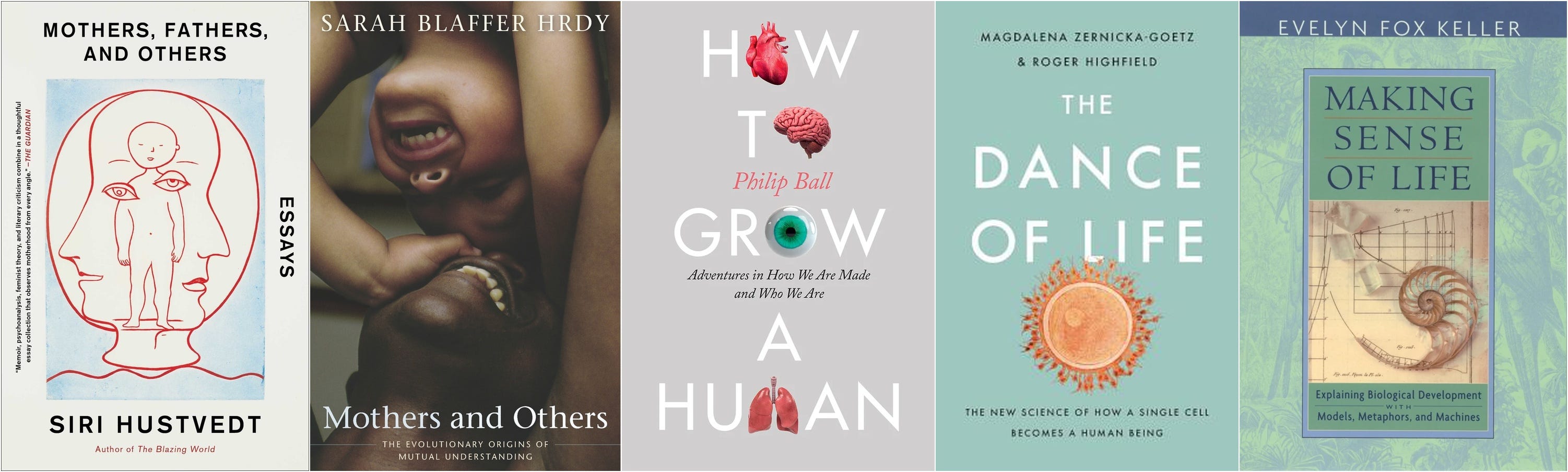
Making Sense of Life: Explaining Biological Development with Models, Metaphors, and Machines by Evelyn Fox Keller
The Dance of Life: The New Science of How a Single Cell Becomes a Human Being by Magdalena Zernicka-Goetz
How to Grow a Human: Adventures in Who We Are and How We Are Made by Philip Ball
Mothers and Others by Sarah Blaffer Hrdy
Mothers, Fathers, and Others: Essays by Siri Hustvedt
Long, knotty stories about families (my favorite genre!)
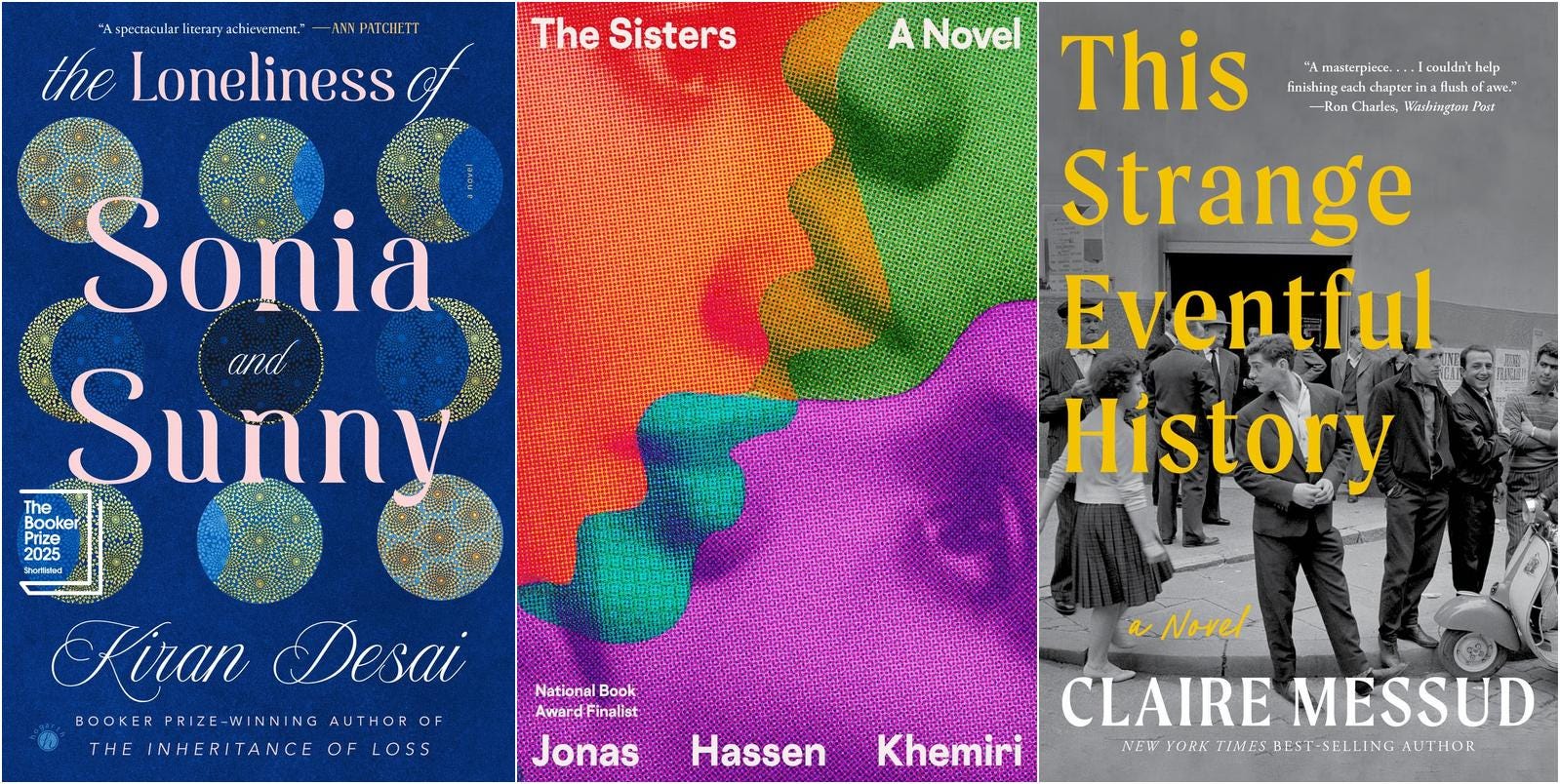
This Strange Eventful History by Claire Messud
The Sisters by Jonas Hassen Khemiri
The Loneliness of Sonia and Sunny by Kiran Desai
Finnish favorites in 2025
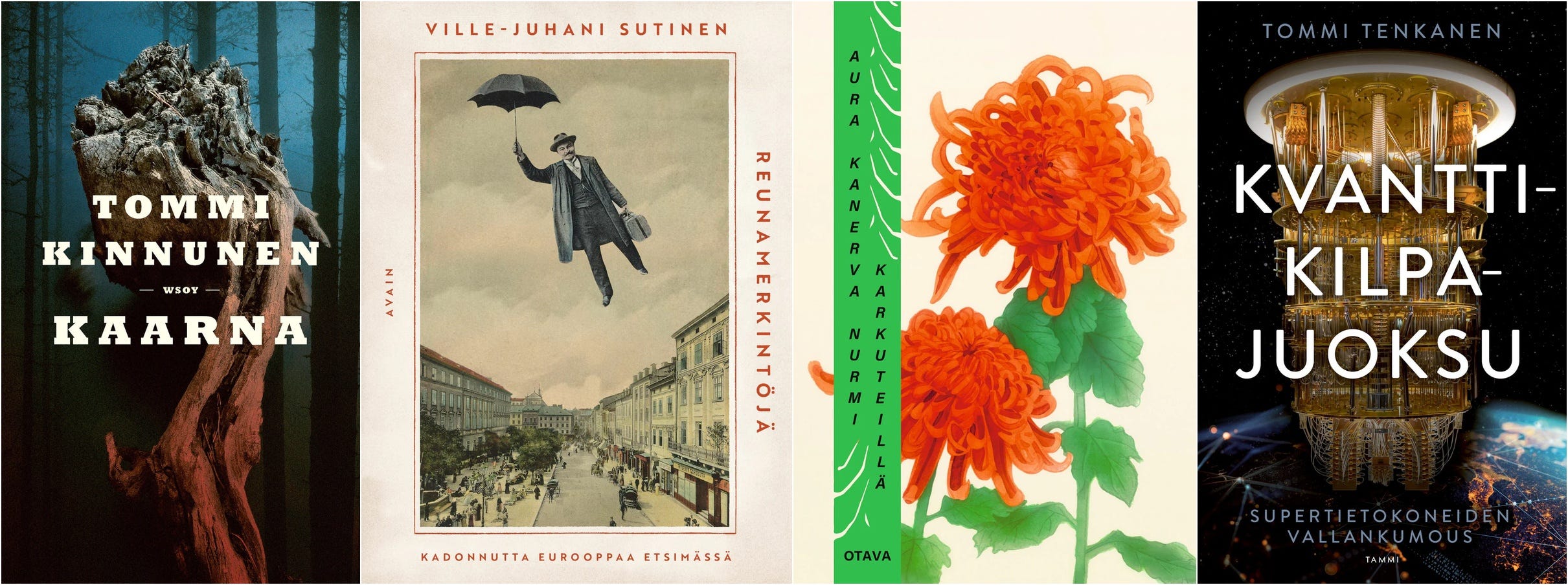
Kaarna by Tommi Kinnunen
Reunamerkintöjä – Kadonnutta Eurooppaa etsimässä by Ville-Juhani Sutinen
Karkuteillä by Aura Nurmi
Kvanttikilpajuoksu – Supertietokoneiden vallankumous by Tommi Tenkanen
Books about looking carefully
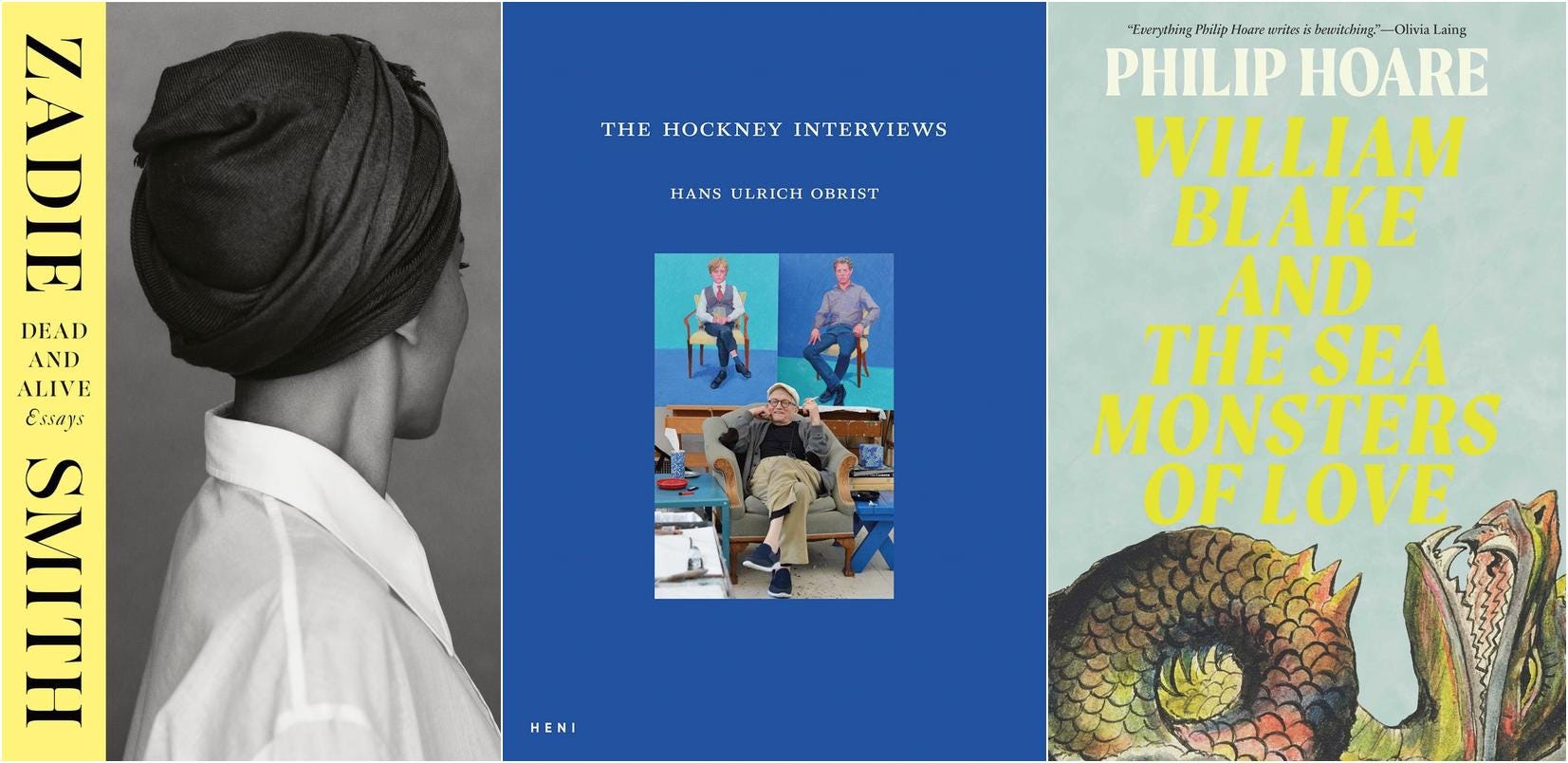
William Blake and the Sea Monsters of Love by Philip Hoare
The Hockney Interviews by Hans Ulrich Obrist
Dead and Alive by Zadie Smith
Essays and other pilgrim books
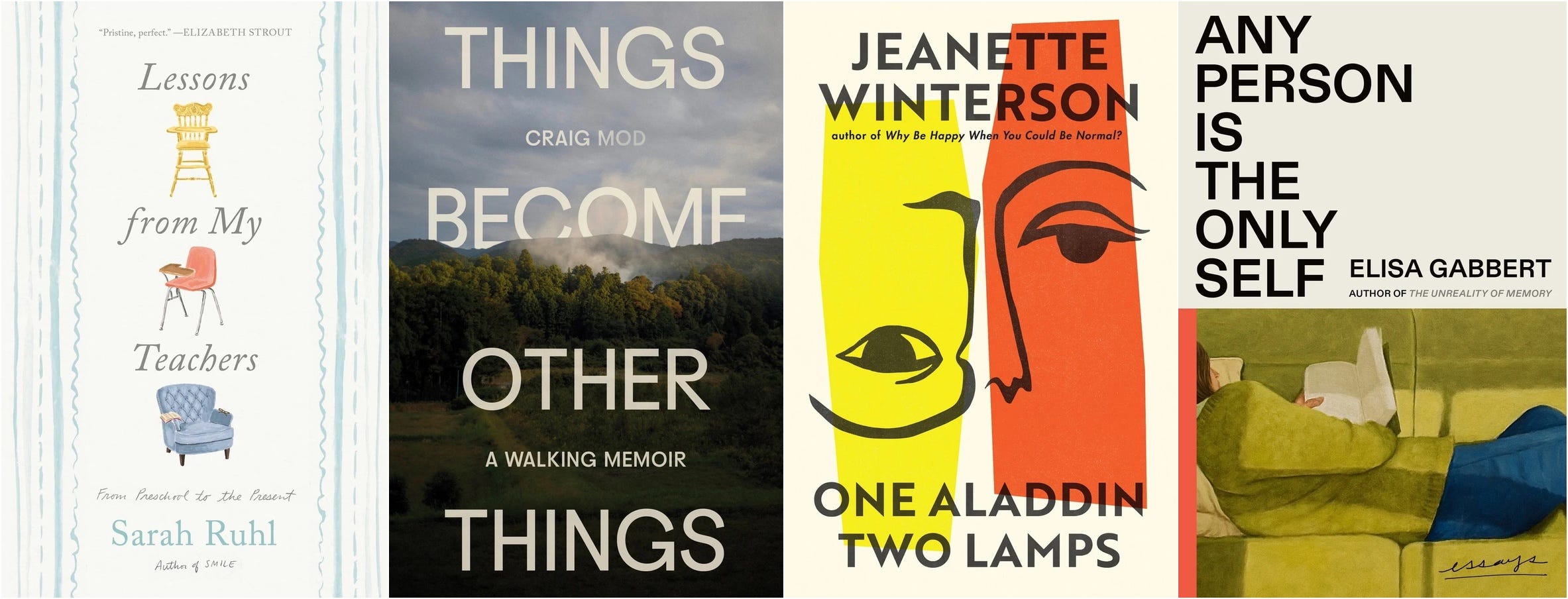
Lessons from My Teachers: From Preschool to the Present by Sarah Ruhl
Things Become Other Things: A Walking Memoir by Craig Mod
One Aladdin Two Lamps by Jeannette Winterson
Any Person Is the Only Self by Elisa Gabbert
Reading, memory and language
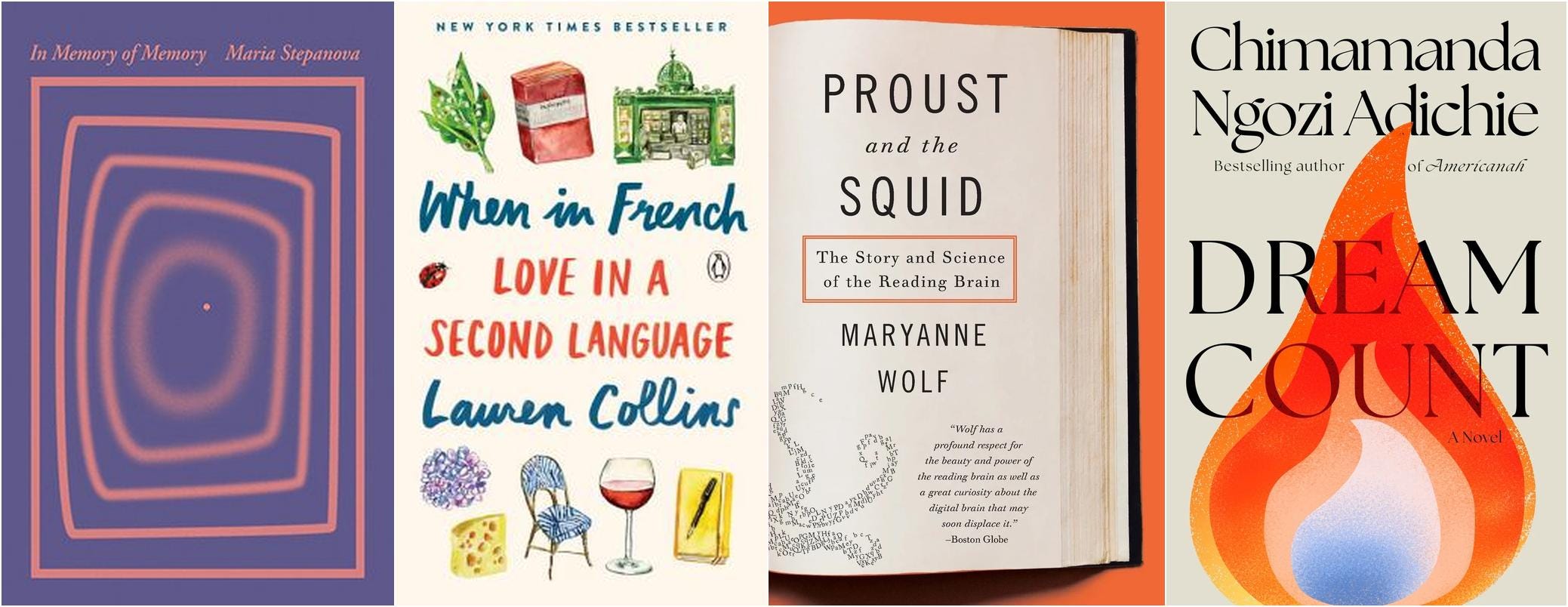
Proust and the Squid: The Story and Science of the Reading Brain by Maryanne Wolf
In Memory of Memory by Maria Stepanova
When in French: Love in a Second Language by Lauren Collins
Dream Count by Chimamanda Ngozi Adichie
For kids, creatures, and other companions
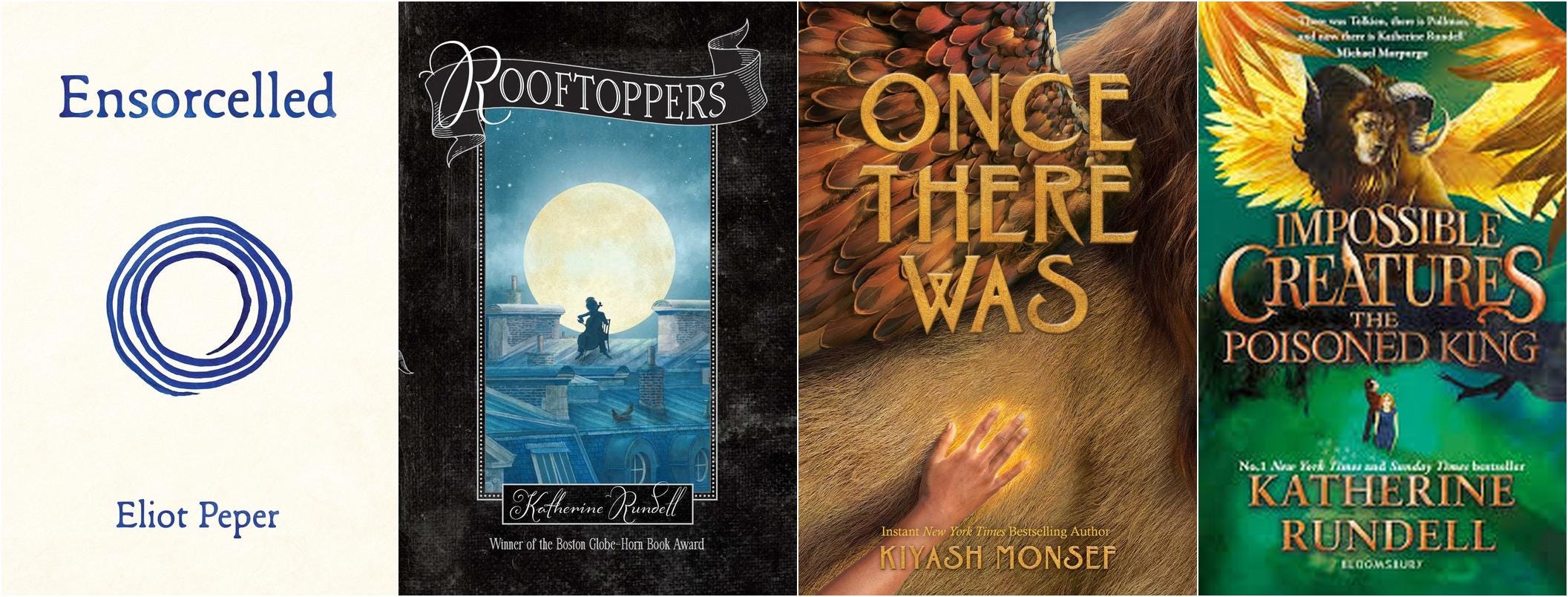
The Poisoned King (Impossible Creatures #2) by Katherine Rundell
Once There Was (Once There Was #1) by Kiyash Monsef
Rooftoppers by Katherine Rundell
Ensorcelled by Eliot Peper
Stories of containers:
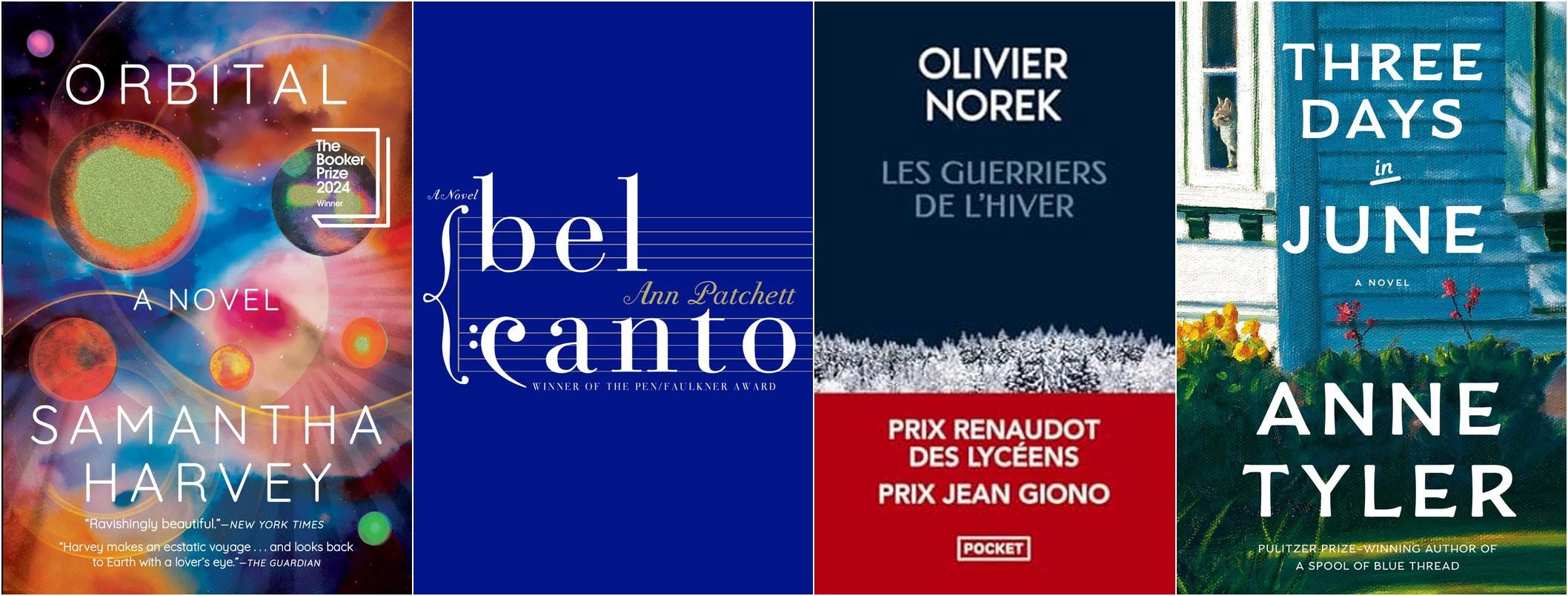
Three Days in June by Anne Tyler
Les Guerriers de l’hiver by Olivier Norek
Bel Canto by Ann Patchett
Orbital by Samantha Harvey
2.
“In a collection of essays, Echolalias: On the Forgetting of Language, Daniel Heller-Roazen reproduces a story about Abū Nuwās, the great eighth-century Arabic poet.
When first setting out, the young Abū Nuwās approached a local master, Khalaf al-Ahmar, and asked permission to compose.
A much later biographer tells the tale:
Khalaf said: “I refuse to let you make a poem until you memorize a thousand passages of ancient poetry, including chants, odes, and occasional verses.”
So Abū Nuwās disappeared; and after a long while, he came back and said, “I’ve done it.” “Recite them,” said Khalaf. So, Abū Nuwās began, and got through the bulk of the verses over a period of several days. Then he asked again for permission to compose poetry.
Said Khalaf, “I refuse, unless you forget all one thousand parts as completely as if you had never learned them.” “That’s too difficult,” said Abū Nuwās. “I’ve memorized them quite thoroughly!” “I refuse to let you compose until you forget them,” said Khalaf.
So Abū Nuwās disappeared into a monastery and remained in solitude for a period of time until he forgot all the lines he’d learned. He went back to Khalaf and said, “I’ve forgotten them so thoroughly it’s as if I never memorized anything at all.” Khalaf then said, “Now go compose!”” - Lewis Hyde, A Primer for Forgetting: Getting Past the Past
Somehow this rhymes with Dave Friedman’s Where large language models break. The old Arab master wants his student to read a thousand poems and then forget them so completely that what remains is not quotation but style, a space of possibilities. Contemporary models don’t do this. As Friedman writes, “When the two AIs reached the limits of their world models, they, too, began producing language that remained elegant but weightless, rhythmic but unmoored, all motion and no locomotion. (…) Beckett is what interpolation looks like after it loses the ability to connect to the world.” Beckett!!
3.
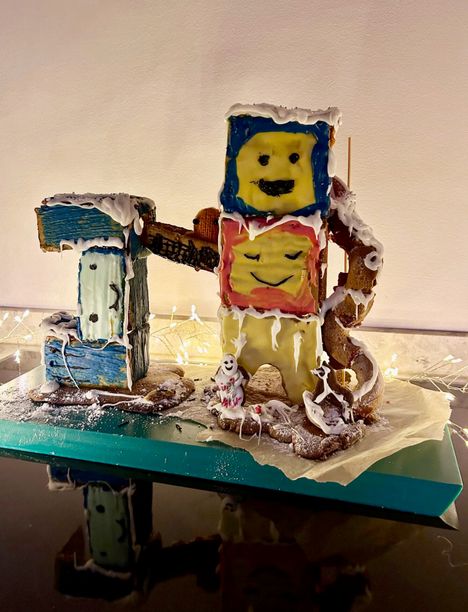
The ultimate compliment for an architect: a kid turned our Ruoholahti Computer Playground into a gingerbread house for the Helsingin Sanomat competition. Iconic!
You can vote until Dec 12 here.
4.
Recently I fell down a small internet rabbit hole thanks to an old Dwarf Fortress bug report that read, with complete sincerity: “babies are born worshipping unknown gods.” I love that we live in a world where a bug tracker, of all places, can cough up a sentence like this. More DwarfFort bugs here.
5.
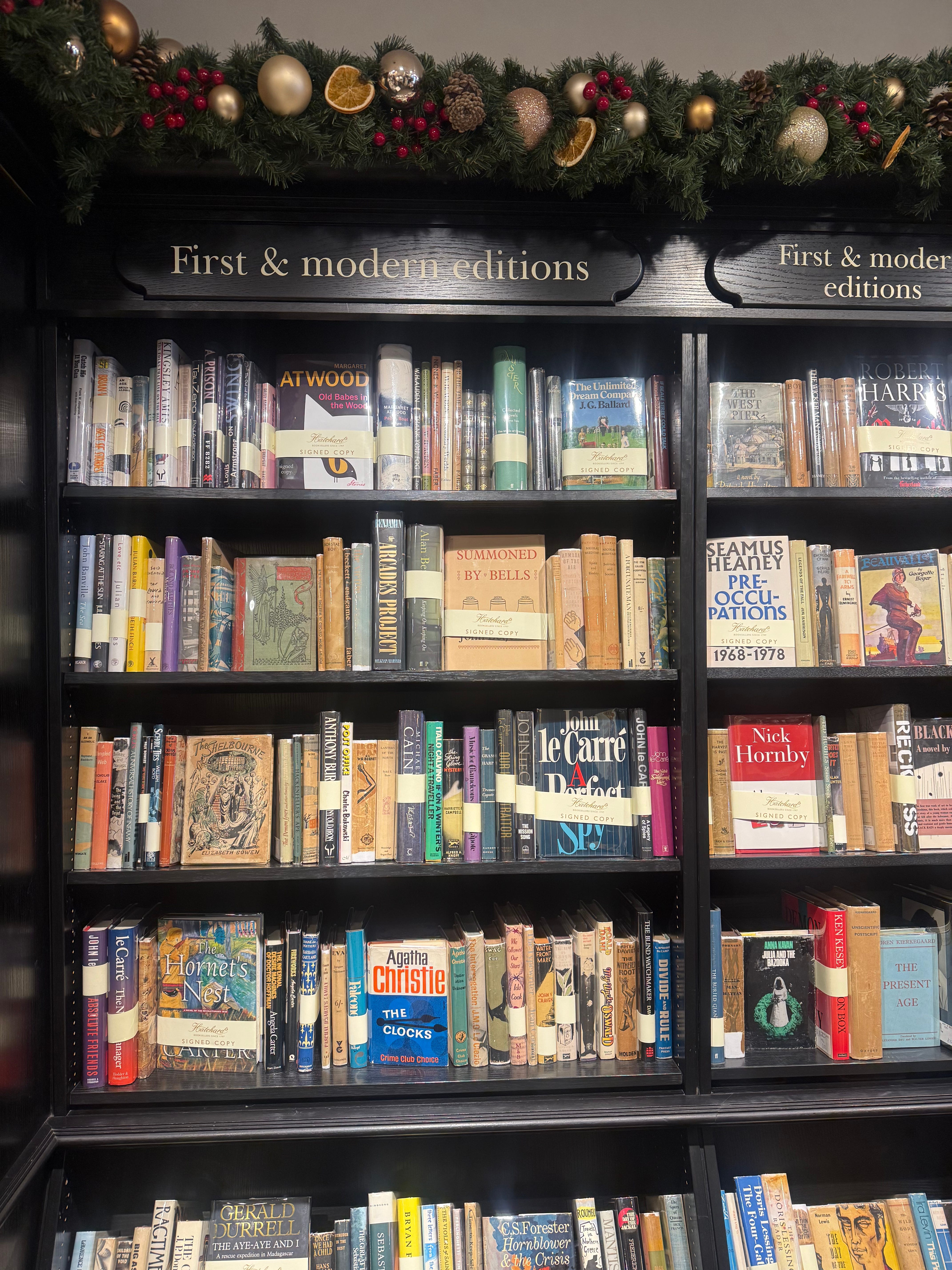
At Hatchard’s I was waiting for B. who had vanished into the the first and modern editions section. An older husband was already exasperated: I’ve been calling you several times, he sighed down the stairwell. His wife emerged, unbothered, brushing past him: Oh, it’s books, darling, as if that settled not only the argument but the entire question of how to live.
Fitzcarraldo Editions has a new The First Decade Collection, a limited edition series of ten hardbacks. I’m eyeing Dillon & Ernaux! I wish more publishers understood this particular joy.