No. 109 — Paris fall exhibitions ⫶ Pots, pans, and stoves ⫶ What’s in Jane’s bag?
Running back to a former self
My name is Linda. I write a bi-weekly newsletter about computer science, childhood, and culture.
Last week I was in New York, feeling what I felt some thirteen years ago when I first lived there. In many ways it was like running back to a former self. The Flatiron area, the gossiping Stumptown baristas and Y7 yoga studios take me straight to 2012. (What is that version of me doing now? What is she thinking?)
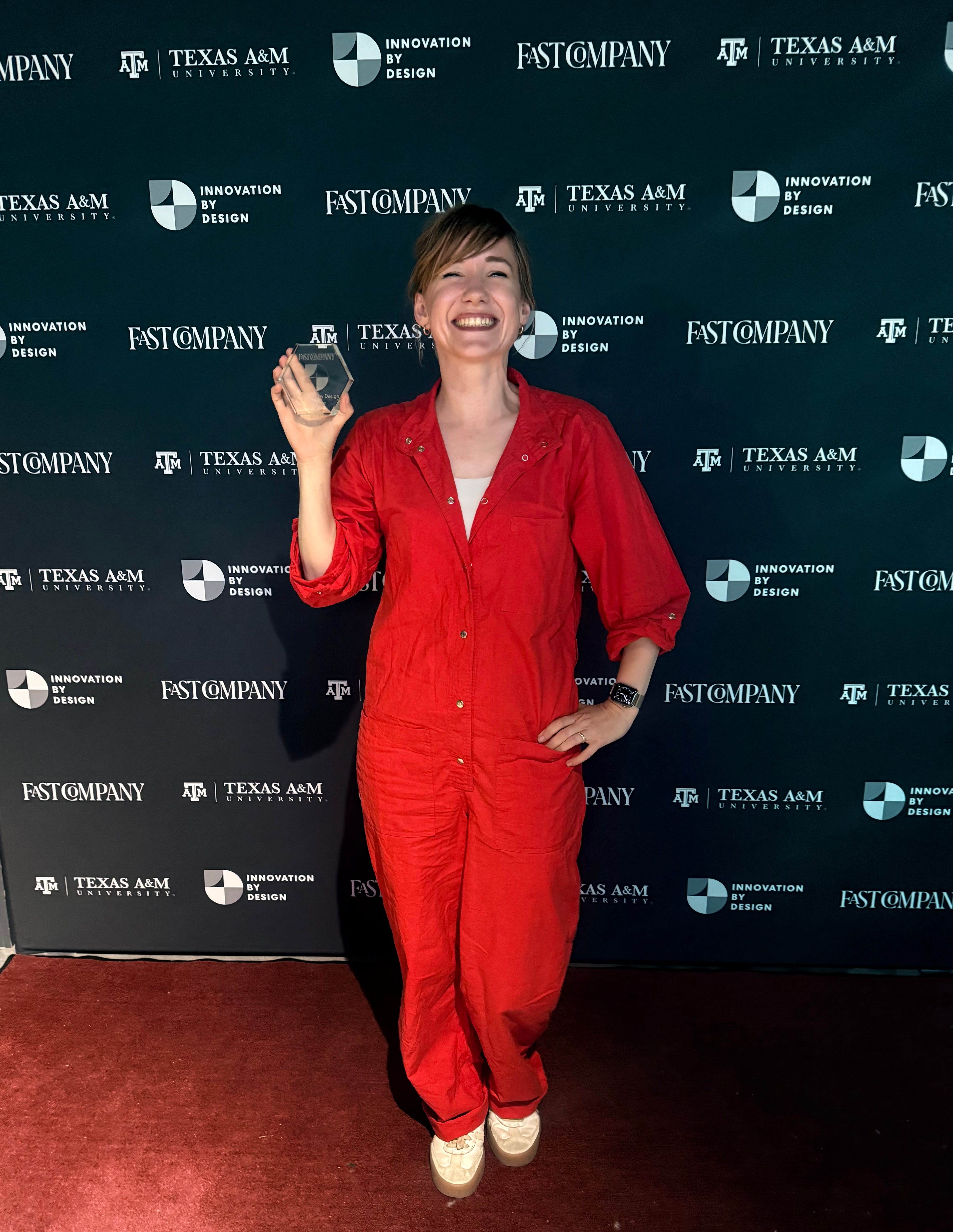
My main reason for visiting was an honorary mention on urban design that the Ruoholahti playground received from Fast Company’s Design Awards. It was also a wonderful chance to see old friends, discover new playgrounds, and gather ideas from a city that keeps changing.
1.
Here are some Paris exhibitions I’m excited for in the fall (a checklist for myself!):
Pekka Halonen: Un hymne à la Finlande — Petit Palais (4 November 2025 to 22 February 2026). Painting snow is a Finnish specialty, much like Gallen-Kallela showed at the Musée Jacquemart-André a few years back. The exhibition also includes kids’ workshops.
Exposition Générale — Fondation Cartier (25 October 2025 to 23 August 2026).
Mostly for the brand-new-location energy; I have been watching this space while in 1st arrondissemen.La licorne, l’étoile et la lune — Musée de la Chasse et de la Nature (14 October 2025 to 8 March 2026). One of my favorite museums in the city, with a great shop.
Gerhard Richter — Fondation Louis Vuitton (17 October 2025 to 2 March 2026).
Pair with a make-your-own-paintbrush workshop.Paris 1925 : L’Art déco et ses architectes — Cité de l’architecture & du patrimoine (22 October 2025 to 29 March 2026). Paris gave Art Deco to the world! Musée Zadkine also has a Zadkine + Art Déco companion show coming up.
L’Empire du Sommeil — Musée Marmottan Monet (9 October 2025 to 1 March 2026). Marmottan is my contender for the best one-stop museum in Paris: interesting temporary shows, breathtaking Monets, and even a house-museum.
Berthe Weil: Galeriste d’avant-garde a— Musée de l’Orangerie (8 October 2025 to 26 January 2026). I loved Heinz Berggruen, un marchand et sa collection and the permanent Collection Walter-Guillaume : le parcours - there is something about the eye of a collector that makes for a great exhibition theme.
John Singer Sargent: Éblouir Paris — Musée d’Orsay (23 September 2025 to 11 January 2026). “Madame X” is on loan from the Met, which is reason enough to visit.
Minimal — Bourse de Commerce (8 October 2025 to 19 January 2026). The Bourse is the perfect size: always something interesting, never too exhausting.
Anything at Grand Palais. In the past year we have skated, browsed books, and gotten lost in a children’s museum here. It has quietly become our town square... The Pompidou is staging many exhibitions there while under renovation.
Les illusions retrouvées. Nouvelles utopies à l’ère numérique — CENTQUATRE-PARIS (11 October 2025 to 11 January 2026). Technology meets art, and the center has a lovely children’s space. There are almost always people dancing in the corridors.
2.
A conversation with a reader last week reminded me how much I enjoy serendipity. So I opened a handful of free 30-minute calls over the next three weeks. If you want to talk about what you’re working on, trying to work on or thinking about working on and think I might be able to help, schedule a time.
3.
On a fall Sunday with dinner guests, everyone will love ragù (beef / porcini) and spaghetti shared from a platter, a sharp green salad, and cold champagne. Period.
4.
Why is it a bumper year for acorns?
I learned this from Robin Wall Kimmerer’s Braiding Sweetgrass: every few years, some trees produce an overwhelming crop of seeds. The collective term is mast, so we call it a mast year, when trees make more food than animals can possibly eat. It is an old survival strategy for oaks and their companions.
So this year I plan on scattering acorns with abandon.
5.
AI is our multiple-choice test. AI gives us speed and scale, and it’s tempting to use it in education, but much like the multiple-choice test AI can flatten our creativity. Come think with me about classrooms that keep room for ambiguity and wonder. This is the third webinar I’m doing with EU CodeWeek, and the details to join (for free!) are below:
When: October 15, 15:00–16:30 CET
Where: Online (Zoom) — Registration link
Format: Talk + discussion

6.
Two recommendations:
I just finished Dan Wang’s Breakneck: China’s Quest to Engineer the Future. It is a model of a good framing: a big geopolitical question (what might an engineering society like China and a lawyerly society like the US learn from one another?), grounded in lived experience, told with narrative momentum.
The idea that stayed with me comes from an earlier Wang blog post: “Technology should be understood in three distinct forms: as processes embedded into tools (like pots, pans, and stoves); explicit instructions (like recipes); and as process knowledge, or what we can also refer to as tacit knowledge, know-how, and technical experience.” Read the book to see which country excels at which.
Looking ahead, Joe Studwell’s How Africa Works arrives in February 2026. I loved How Asia Works, so I am eager for this one.
7.
From Jane B. par Agnès V, a film from 1988. This would be me with a Birkin. (Also, the clothes..)